August 22, 2025
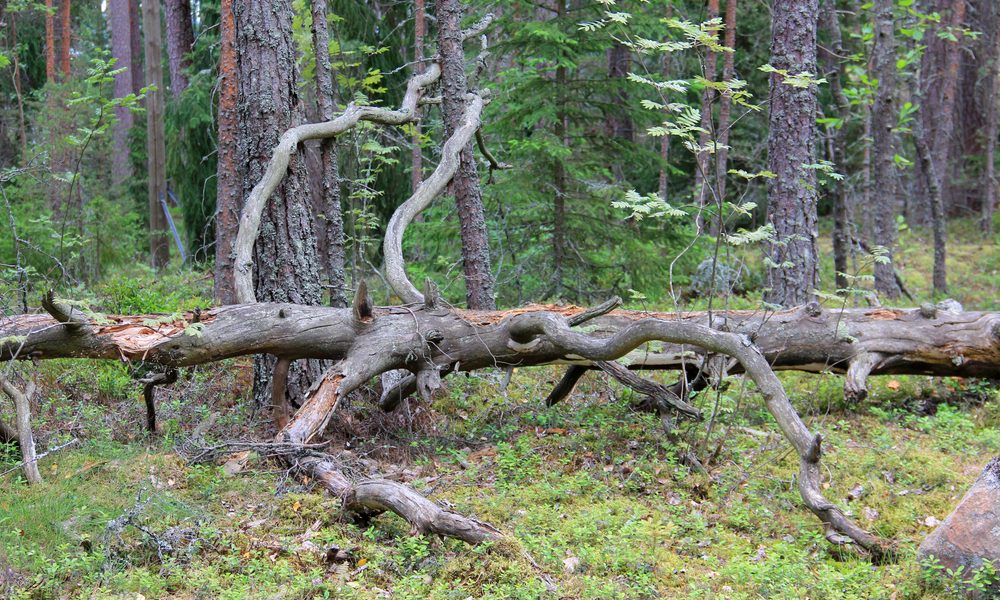
Extreme weather, saturated soils, and historic trees make New Orleans especially vulnerable to tree failures. Hurricanes, tropical storms, and even routine downpours can cause catastrophic tree damage. Urban density means fallen trees often threaten homes, cars, power lines, and public safety.
First Response: Prioritize Safety
Begin by observing the area from a safe distance. Look carefully for any immediate dangers such as fallen power lines, the smell of gas, or large limbs hanging overhead. If any of these are present, contact emergency services and your utility provider without delay.
If the tree is resting on your home, blocking your exit, or creating structural pressure, evacuate the area and keep others away. Mark the perimeter with tape, cones, or any visible objects to ensure no one accidentally approaches the hazard.
Be alert to sounds as well. Cracking or creaking noises may signal that the tree is still shifting and could fall further. In these cases, keeping your distance is essential.
Why You Should Avoid DIY Tree Removal
Fallen trees are not only heavy but unpredictable. What looks stable can suddenly give way due to internal stress, root damage, or tension in the limbs.
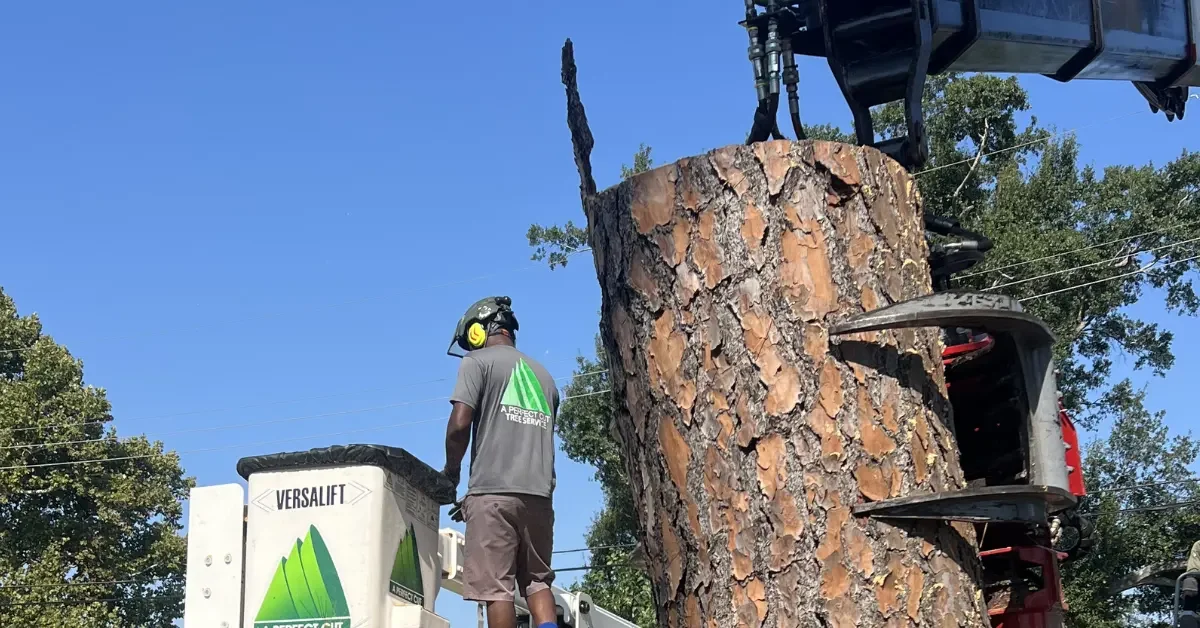
Trained arborists understand how to manage these risks. They use specialized equipment such as cranes, rigging systems, and industrial-grade saws. More importantly, they know how to do the work without causing further damage to your home or property.
Attempting to remove a fallen tree yourself can also result in complications with insurance. Unauthorized removal may violate local ordinances or weaken your ability to make a successful claim.
Who to Contact
For emergencies that involve danger to life, structures, or utilities, call 911 or your local emergency response service immediately.
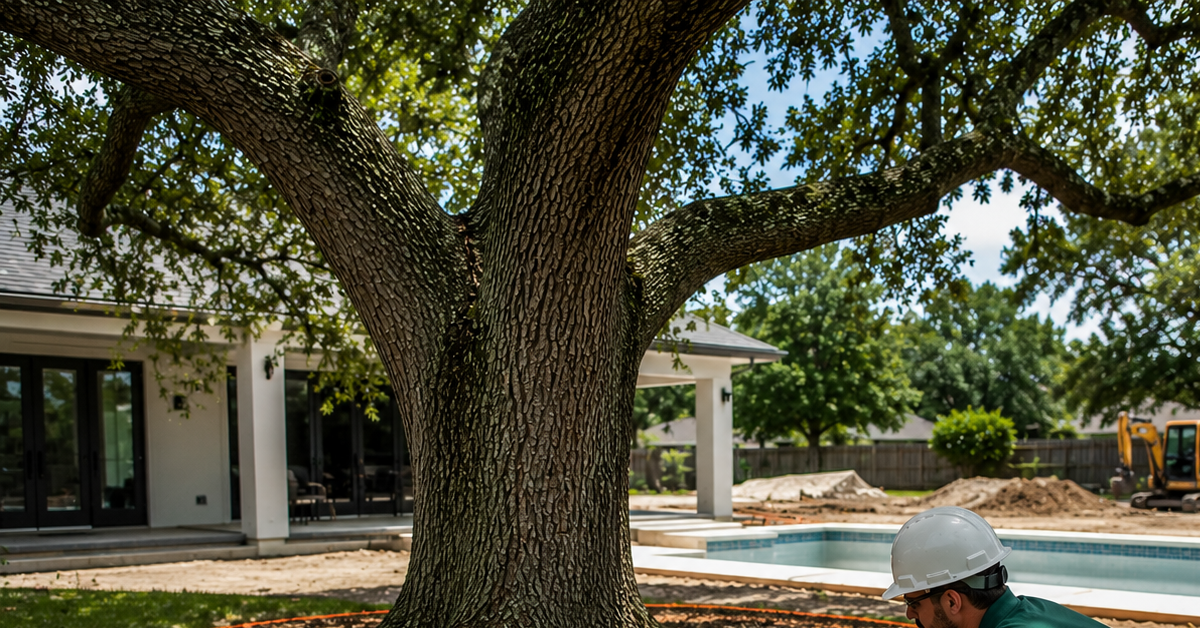
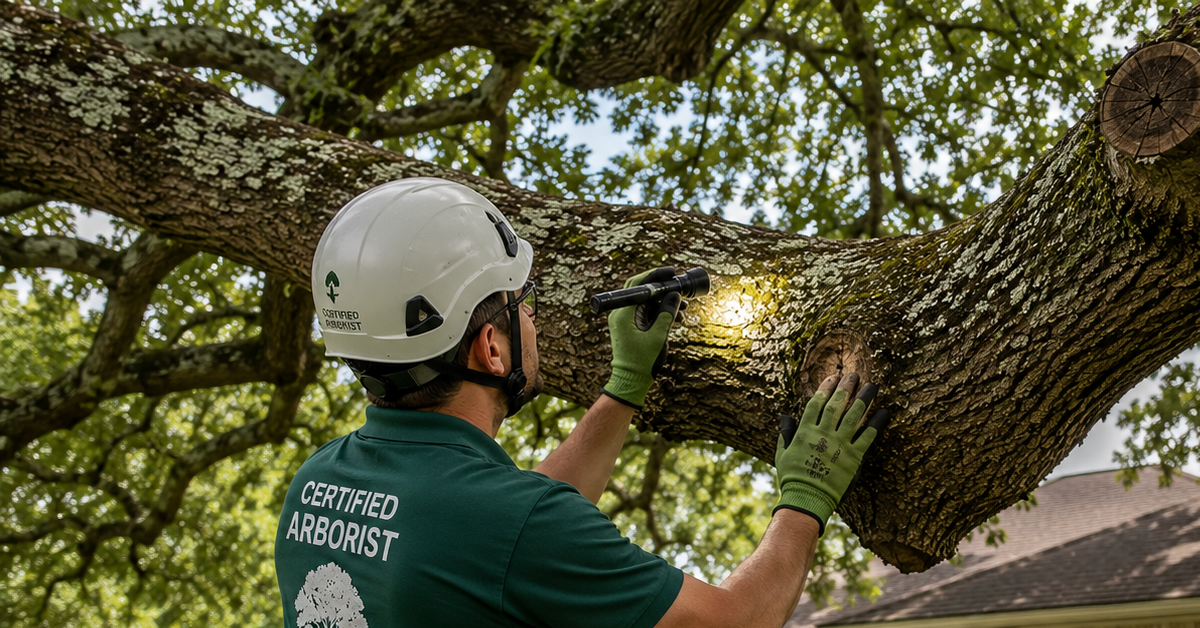
Next, reach out to a certified arborist. These professionals can assess the site, safely remove the tree, and provide the documentation needed for insurance or city permits. They can also identify whether other nearby trees have been affected and need evaluation.
If you plan to submit an insurance claim, take clear photos and videos before any cleanup begins. This evidence will support your claim and help assess the damage more accurately.
Dealing with an emergency?
A Perfect Cut Tree offers fast, professional emergency tree service in New Orleans. Call now to get help from licensed experts who understand the urgency and know how to handle local tree hazards safely.
What Insurance Typically Covers
Most homeowners insurance policies in Louisiana cover the cost of tree removal and property damage caused by storms or other natural events.
If a neighbor’s tree falls onto your property, your policy will usually cover the damage unless there was prior documentation of neglect. In that case, your neighbor may be held responsible.
Some areas, including parts of New Orleans, require permits to remove certain trees. This is especially true for historic or protected species. A certified arborist can help you determine whether a permit is needed and guide you through the process.
Tip: Ask for a written report from your arborist. It strengthens insurance claims and helps document your actions.
What to Expect During Removal
Once on site, your arborist will inspect the area for structural risk, including nearby trees, unstable soil, and damaged surfaces. If needed, they will bring in cranes, lifts, or rigging tools to manage the removal safely.
Tree removal is typically done in stages to avoid further damage. After the trunk and limbs are cleared, cleanup may include stump grinding, debris removal, and assessing the condition of the soil.
Hidden Hazards to Watch For
- Root plate displacement. Even if a tree is still standing, it may be unstable if the root system has lifted.
- Damage to nearby trees. A fallen tree can disturb the root zones of others nearby.
- Structural shifts. Cracks in foundations, sidewalks, or driveways may not appear immediately. Watch for them in the days following a storm.
How to Prevent Future Tree Falls
- Schedule annual inspections. Arborists can check for decay, stress, or structural imbalances.
- Prune and cable as needed. Regular maintenance reduces the chance of storm-related failure.
- Improve yard drainage. Reducing water saturation helps keep roots stable.
- Plant wisely. Choose storm-resistant trees such as live oaks or bald cypress.
- Talk to your neighbors. Tree risk often crosses property lines.
Legal and Environmental Considerations
In New Orleans, certain trees are protected by law. Removing one without proper approval may result in fines. Additionally, storm debris must be disposed of following city guidelines.
If wildlife such as squirrels or birds have taken refuge in the fallen tree, consider contacting local animal control before clearing the site.
Tree Root Systems and Storm Damage
In New Orleans, many trees develop wide, shallow root systems rather than deep anchors. While this is normal, it makes them more vulnerable during storms—especially when the ground becomes waterlogged. Saturated soils lose stability, and roots can no longer hold the tree upright, leading to uprooting even in mild winds.
Urban conditions can make this worse. Compacted soil, limited growing space, and previous root damage from construction all reduce a tree’s ability to stay anchored.
To reduce risk, ensure proper drainage around your trees, avoid cutting major roots, and have mature trees inspected regularly, especially after major storms or nearby tree removal. Understanding how your trees are rooted is key to preventing future failures.
Recent Incidents Show the Risks Are Real
In recent years, New Orleans has experienced several major tree failures, including one in Jackson Square that resulted in serious injury. After hurricanes and heavy rain, dozens of emergency removals are often required citywide. These events highlight the importance of staying proactive.
Local Resources
- City of New Orleans Department of Parks and Parkways: Provides information on tree permits, removal guidelines, and protected species.
Frequently Asked Questions
Do saturated soils increase the risk of tree failure after a storm?
Yes. Waterlogged roots lose their ability to anchor the tree.
Can a tree fall even if it looks healthy?
Yes. Internal decay or underground damage may not be visible.
Should a leaning tree always be removed?
Not necessarily. Some lean naturally, but sudden changes require inspection.
Can falling trees damage underground utilities?
Yes. Roots and falling weight can rupture pipes and cables.
What happens to nearby trees when one falls?
They may lose structural support or suffer root damage, increasing their risk of failure.
Are there signs of decay that are not visible?
Yes. Fungal growth, hollow sounds, and frequent limb drops are warning signs.
Final Thoughts
In New Orleans, dealing with fallen trees is not just about cleanup. It’s about protecting your home, your neighborhood, and your city. With the right knowledge and preparation, you can respond effectively, stay safe, and reduce long-term impact.
Take preventive steps when possible, call tree service professionals in New Orleans when needed, and stay connected to local resources for guidance and support.
Expert guidance on how to respond to fallen trees, with safety steps, insurance advice, and risk prevention strategies tailored for storm-prone areas.