July 22, 2026
Key Takeaways:
- Hidden Internal Decay: A limb can appear green and full of leaves while hiding significant internal rot that isn’t visible from the ground.
- Weak Branch Attachments: Structural weaknesses like included bark and co-dominant stems often show no outward symptoms until the limb actually breaks.
- Weight and Wind Loading: Healthy-looking limbs can still fail due to sheer weight, wind stress, or sudden load changes like rain-soaked leaves.
- Routine Inspection Matters: Only a trained arborist evaluation can catch the warning signs before a limb fails, since visual appearance alone is often misleading.
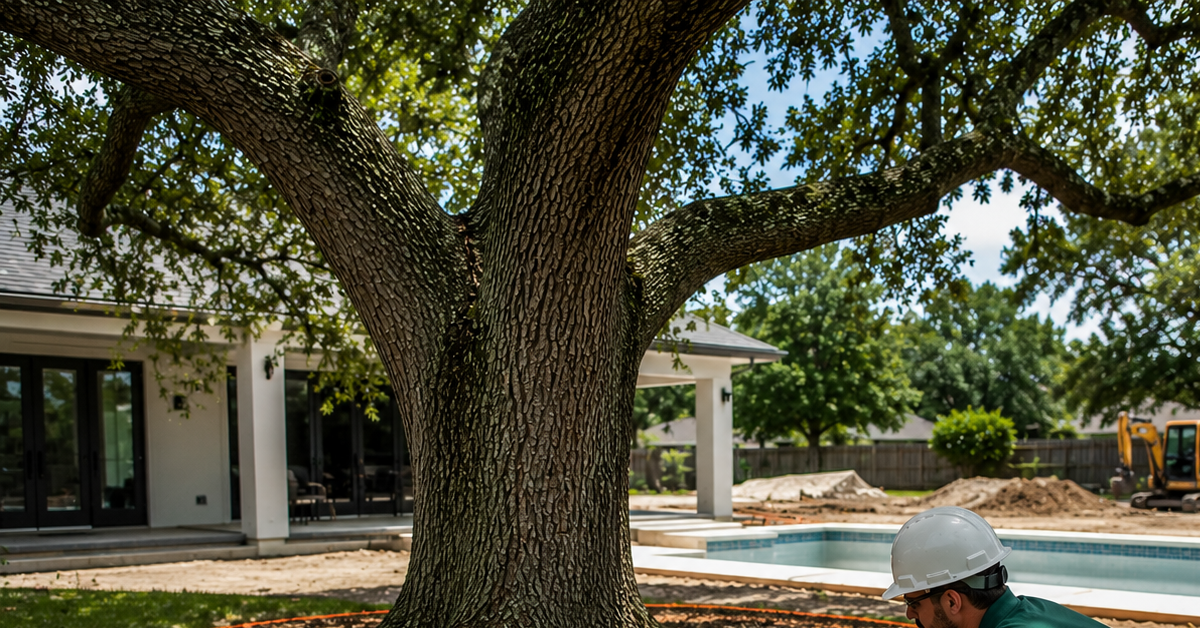
A large tree limb can appear strong, green, and completely healthy while hiding structural problems that increase the risk of sudden failure. In Metairie, LA, where trees experience intense heat, humidity, heavy rainfall, storms, and occasional hurricanes, even mature trees with full canopies can develop weaknesses that are not visible from the ground. For homeowners, this creates a frustrating reality: a tree does not always show obvious warning signs before a large branch breaks.
Understanding why healthy-looking limbs fail can help property owners identify risks earlier, protect their homes, and know when a professional tree assessment is needed. This article explains the real reasons large limbs fail even when they appear perfectly healthy, and what homeowners in Metairie can do to catch the warning signs before something falls.
Why “Looks Healthy” Doesn’t Mean “Is Safe”
Leaves are produced by the outermost, living layer of a tree, the cambium, and sapwood just beneath the bark. A tree can maintain healthy leaf production even while the interior heartwood of a limb or trunk is significantly decayed, because the tree’s food and water transport systems don’t rely on that inner wood being structurally sound. This means a limb can be green, leafy, and appear vigorous while its structural core is hollow, cracked, or decayed, a condition invisible without close inspection or specialized tools.
This is why visual health from the ground, or even a quick look up into the canopy, is not a reliable indicator of structural safety. A trained arborist looks well beyond leaf color and canopy fullness.
The Real Causes of Limb Failure
- Internal Decay and Hollowing: Fungal decay can enter a tree through old pruning wounds, storm damage, insect activity, or bark injuries, and then spread through the interior of a limb or trunk over years. As decay progresses, it hollows out the wood from the inside while the outer shell and the leaves it supports can remain visually intact. Eventually, the remaining shell of solid wood becomes too thin to support the limb’s own weight, especially under wind load, and it fails, sometimes without any visible external symptoms beforehand.
- Included Bark and Weak Branch Unions: Some of the most dangerous limb failures come from branch unions with included bark, a structural defect where bark grows inward between two branches or stems instead of forming a strong, interlocking wood connection. Included bark creates a weak point that lacks the structural strength of a normal branch attachment. From the ground, a branch union with included bark can look completely normal, with full foliage on both sides, while actually being one of the weakest points on the entire tree.
- Co-Dominant Stems: When a tree develops two or more stems of similar size competing for dominance, rather than one clear central leader, the union between them is often structurally weaker than a typical branch attachment. Co-dominant stems are especially common in species like live oaks, which are prevalent throughout Metairie. These unions can fail under wind loading or even the tree’s own weight, particularly as the stems mature and become heavier.
- Sudden Load Changes: Even a structurally sound limb can fail under sudden, unexpected loading conditions. Rain-soaked leaves can dramatically increase a limb’s weight in a short period. Wind gusts create dynamic loading forces far greater than the limb’s static weight. Ice or heavy debris accumulation, while less common in Louisiana, can also add sudden weight. A limb that has carried its normal leaf weight for years can fail when an unusual combination of rain, wind, and canopy density pushes it past its structural limit.
- Long, Overextended Limbs: Limbs that extend far horizontally, especially those that have grown long and heavy over many years without corrective pruning, carry significant leverage at their point of attachment. Even without internal decay, the sheer mechanical stress at the base of a long, heavy limb increases the likelihood of failure during high winds, particularly in species prone to producing long lateral limbs, which are common throughout the region’s mature oak canopy.
- Root and Soil Issues: It’s worth noting that root damage, soil compaction, or construction disturbance near a tree can also affect how well the tree supports its own canopy weight, even when limbs themselves are unaffected. A weakened root system reduces the tree’s overall structural buffer, making otherwise stable limbs more vulnerable under stress.
Why Metairie’s Tree Canopy Is Especially Prone to This Issue
Metairie and the surrounding New Orleans area are known for mature, long-established live oaks and other large hardwood species, many of which are decades or even a century old. These older trees often have extensive canopies with long limbs, a history of storm exposure, and, in some cases, old pruning wounds or past storm damage that created entry points for decay years ago. The combination of an older, established tree canopy and a region regularly exposed to tropical storms and hurricanes makes hidden limb defects a particularly important concern for local homeowners.
How a Professional Assessment Catches What the Eye Misses
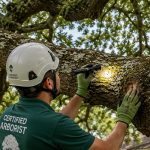
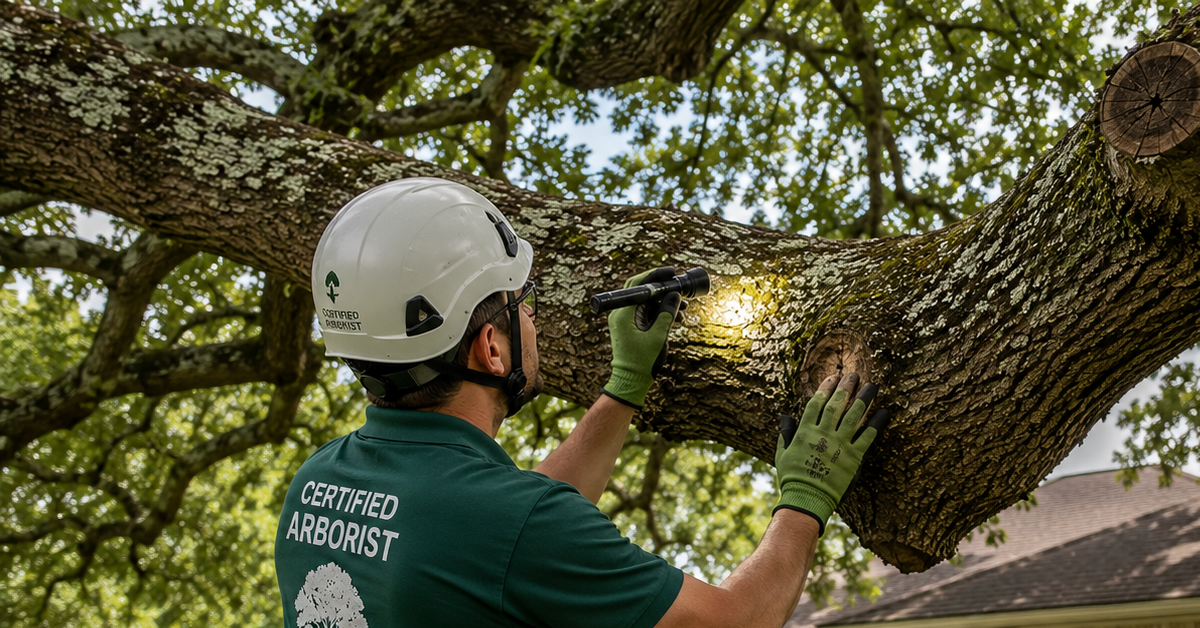
A licensed arborist evaluates far more than leaf color and canopy fullness. A proper hazardous limb or tree assessment typically includes:
- Visual inspection of branch unions for included bark, cracks, or unusual bulges
- Sounding techniques, such as tapping or mallet testing, to detect hollow sections
- Evaluation of limb length, angle, and weight distribution relative to the attachment point
- Assessment of old wounds, prior pruning cuts, and signs of past decay entry points
- Review of the tree’s overall structure, including co-dominant stems and canopy balance
- In some cases, more advanced tools to assess internal wood integrity where decay is suspected
This kind of assessment is something that simply can’t be replicated by a homeowner looking up from the yard, no matter how healthy the tree appears.
What A Perfect Cut Tree Service Recommends
- Schedule Routine Structural Assessments: Especially for large, mature trees near homes, driveways, or areas where people and vehicles regularly pass.
- Address Weak Unions Proactively: Structural pruning can correct co-dominant stems and reduce the length of overextended limbs before they become a liability. Don’t Rely on Appearance Alone: A full, green canopy is not proof of structural safety, especially for older trees with a history of storm exposure.
- Prioritize Limbs Over Structures and High-Traffic Areas: Limbs overhanging roofs, driveways, patios, or parking areas deserve extra scrutiny.
- Act After Any Storm Exposure: Even if no visible damage occurred, a storm can create or worsen internal stress points that aren’t immediately obvious.
A Perfect Cut Tree Service assists homeowners in staying ahead of tree hazards with professional assessments, expert pruning, and safety-focused tree care. Our experienced team evaluates structural risks, identifies hidden concerns, and recommends the right solution, whether that means preventative maintenance, selective pruning, or removal when necessary. Serving the Metairie and Greater New Orleans area for 40 years, A Perfect Cut Tree Service combines certified arborist expertise with a science-based approach to keep trees healthy and properties protected. Call our team at (504) 732-0779 to schedule a professional tree evaluation today to address potential risks before they become costly problems.
Frequently Asked Questions About Limbs Failure by the Homeowners in Metairie, LA
Can a tree be dangerous even if it’s not diseased?
Yes. Structural issues like included bark, co-dominant stems, or overextended limbs can create serious failure risk independent of disease or visible decay.
How often should large trees be inspected in Metairie, LA?
For mature trees near structures or high-traffic areas, an annual or post-storm inspection by a licensed arborist is a reasonable standard, particularly heading into hurricane season.
Is it normal for a healthy-looking limb to just fall with no storm at all?
It happens more often than people expect, usually due to internal decay, a weak branch union, or sudden weight changes from rain-soaked foliage, even on a calm day.
Can a weak limb be fixed instead of removed?
In many cases, yes. Structural pruning, cabling, or crown reduction performed by a certified arborist can reduce risk without removing the entire tree.
Does A Perfect Cut Tree Service offer limb-specific hazard assessments?
Yes. A Perfect Cut’s hazardous tree assessment service evaluates individual limbs as well as overall tree structure, performed by a licensed arborist on every job.
Summary Checklist: Recognizing Hidden Limb Risk
| Situation | Why It’s a Concern | Recommended Action |
|---|---|---|
| Full, green limb over the driveway | Healthy foliage does not rule out hidden internal decay. | Schedule a professional structural assessment. |
| Two large stems of similar size | May indicate weak co-dominant stem attachment. | Evaluate for structural pruning by a certified arborist. |
| Old pruning scar or storm wound | Can become an entry point for decay and disease. | Inspect for hollowing, decay, or structural weakness. |
| Long horizontal limb over the roof | High leverage places extra stress on the branch attachment. | Consider crown reduction to reduce weight safely. |
| Mature oak with no recent inspection | Tree age and history can increase hidden structural risks. | Schedule an annual or pre-storm season inspection. |
| Limb failure after light wind with no storm | May signal widespread internal weakness throughout the tree. | Request a complete tree hazard assessment. |
Final Advice
A healthy-looking canopy does not always mean a structurally safe tree. Many dangerous limb failures occur without visible warning because problems can be hidden inside the wood or high within the canopy.
Schedule professional inspections before storm season, especially for mature trees near your home or property. A certified arborist can identify weak unions, hidden decay, and structural risks that a ground-level check may miss.
Addressing issues early through pruning or tree care is often far less costly than repairing damage after a failure. Don’t wait for obvious warning signs – by then, the risk may already be serious. If you have a large limb or mature tree you’d like assessed, call A Perfect Cut Tree Service at (504) 732-0779 for a free quote and professional evaluation.