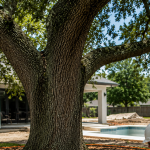
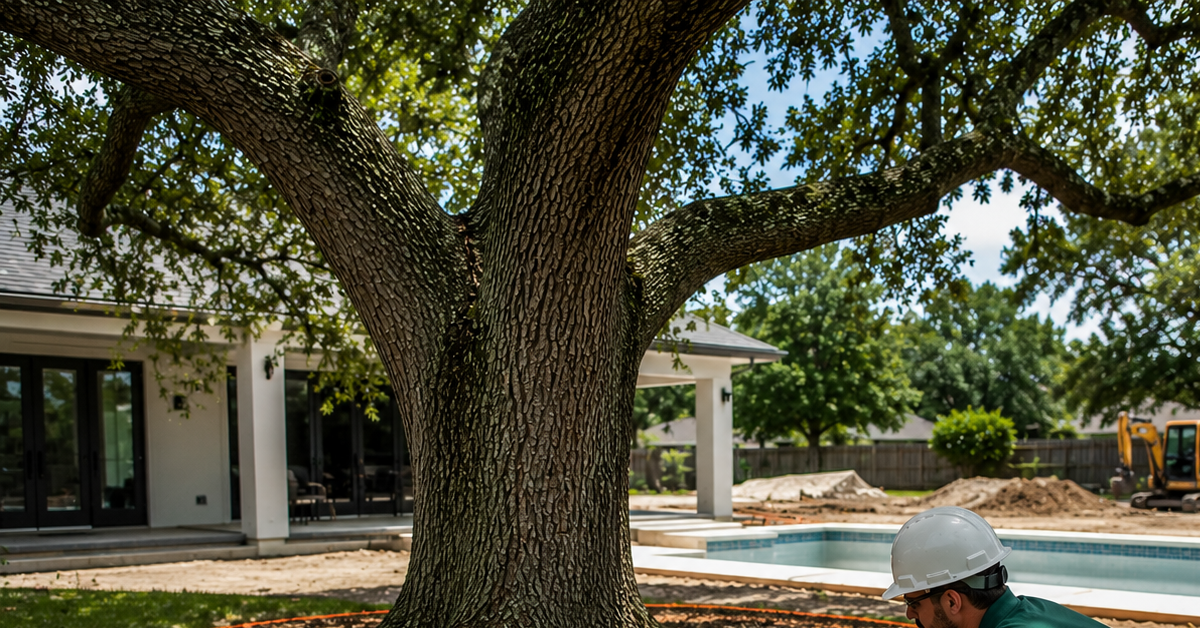
Key Takeaways: Protect the Root Zone: The greatest risk is often underground, where digging, soil compaction, and grade changes can damage critical feeder roots. Plan Around Existing Trees: Construction layouts should be designed to accommodate mature trees instead of forcing trees to survive unsuitable conditions. Limit Equipment Damage: Heavy machinery, stored materials, and repeated traffic […]
Read More
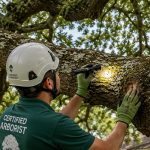
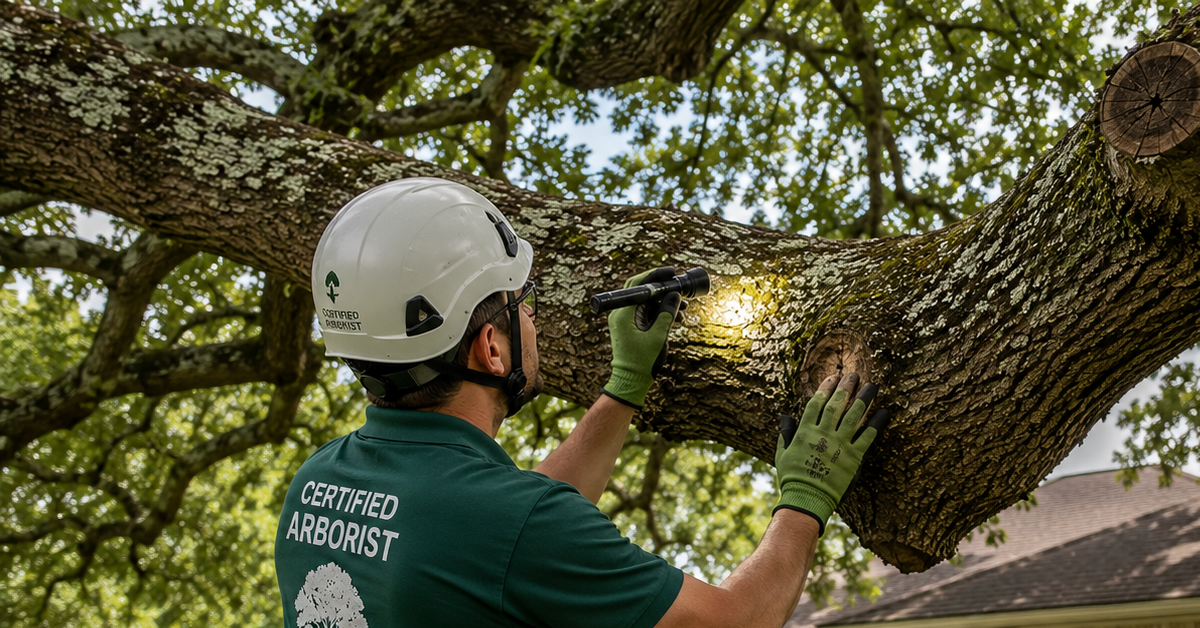
Key Takeaways: Hidden Internal Decay: A limb can appear green and full of leaves while hiding significant internal rot that isn’t visible from the ground. Weak Branch Attachments: Structural weaknesses like included bark and co-dominant stems often show no outward symptoms until the limb actually breaks. Weight and Wind Loading: Healthy-looking limbs can still fail […]
Read More
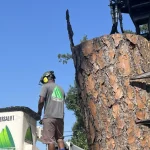
Key Takeaways Permanent Structural Damage: Topping removes the tree’s natural crown and forces weak, fast-growing regrowth that is poorly attached to the trunk. Accelerated Decay: Large, flat-topped cuts expose interior wood to rot, insects, and disease that a tree cannot properly seal over. Higher Long-Term Costs: Topped trees often need repeated maintenance, emergency removal, or […]
Read More
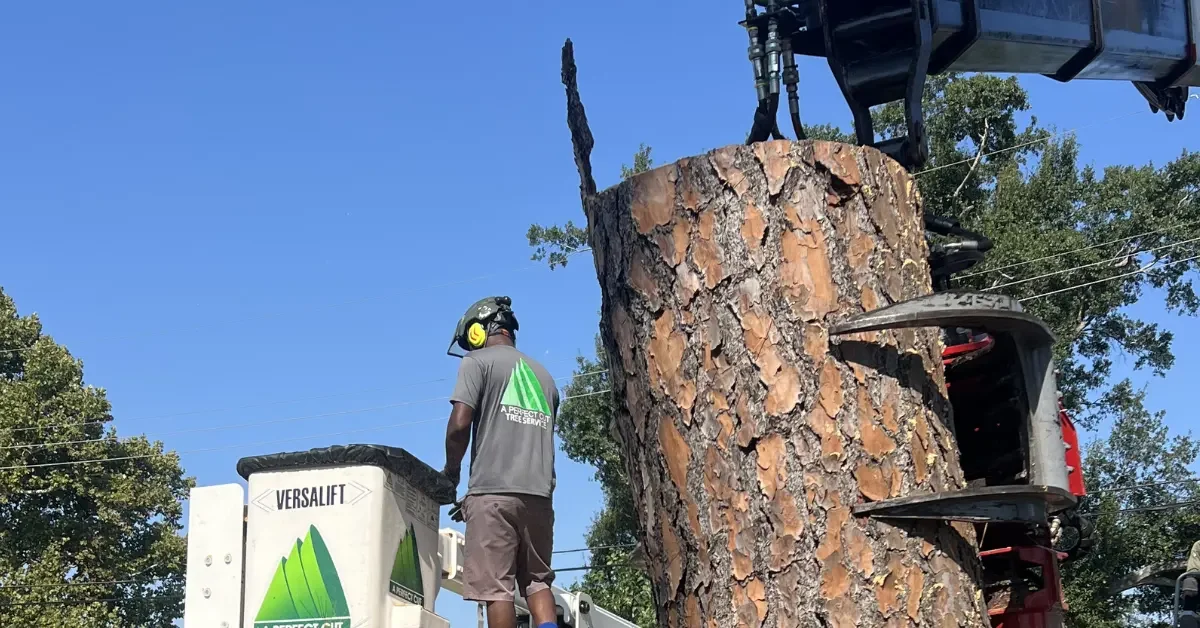
The question of whether to grind a stump after tree removal looks like a cosmetic choice. In Metairie and the rest of Greater New Orleans, it usually is not. The Gulf Coast climate, the soil conditions, the pest pressure, and the proximity of stumps to structures combine to make stump grinding more functionally important here […]
Read More
Live oaks and crape myrtles are signature trees across Greater New Orleans, from St. Charles Avenue and City Park to neighborhoods throughout Metairie, Kenner, and Jefferson Parish. While they often appear low-maintenance, hurricanes, high humidity, pests, disease pressure, and rapid seasonal growth make regular professional pruning essential for maintaining their health, structure, safety, and appearance. […]
Read More