April 5, 2026
When the holidays arrive, and temperatures finally dip into the 50s, most New Orleans homeowners think their yard work is done for the season. It is easy to assume that because the grass has stopped growing, the trees have stopped needing attention. However, winter actually represents the most critical maintenance window for tree health in our region.
Unlike northern climates, where frozen ground halts all biological activity, our mild Gulf Coast winters create optimal conditions for essential tree care. This is the season that protects your landscape investment year-round. It is the perfect time to address structural issues, improve soil health, and prepare for the inevitable stress of summer storms.
This comprehensive guide draws from decades of hands-on experience maintaining New Orleans landscapes, Louisiana State University AgCenter research, and ANSI A300 arborist standards. We will break down exactly what your trees need during the cooler months to thrive when the heat returns.
Understanding New Orleans Winter Tree Physiology
To care for your trees properly, you must first understand what is happening inside them during the winter. Our subtropical climate creates unique biological conditions that differ dramatically from traditional tree care advice written for temperate regions like the Midwest or Northeast.
While a Minnesota oak enters deep dormancy for five months, New Orleans live oaks and water oaks may experience only partial dormancy. In our zone, the air temperature drops, but the soil often remains warm enough for root activity. According to the LSU AgCenter, the sandy, well-drained soils found in neighborhoods like Lakeview and Algiers can lead to winter drought stress if supplemental irrigation isn’t provided during dry spells.
This “semi-dormancy” creates specific vulnerabilities. Trees maintain enough active metabolism to suffer from drought stress, but their slowed systems cannot respond quickly to sudden changes. For example, the sandy and well-drained soils common from Lakeview to Algiers dry out rapidly during our characteristically dry winter months. If the roots are active but the soil is dry, the tree suffers.
Additionally, our year-round disease pressure means pruning cuts made during warm and humid periods face immediate fungal colonization. Winter brings cooler and drier conditions that significantly reduce these infection risks. This makes winter the safest season for major structural work because the pathogens that usually attack fresh cuts are inactive.
Critical Winter Problems Affecting New Orleans Trees
Winter in New Orleans presents three specific threats to tree health. Understanding these threats allows homeowners to take preventive action.
1. Freeze Damage and Bark Splitting
When temperatures plummet from 65°F to 28°F overnight, a pattern we see several times each winter, tree bark expands and contracts rapidly. This thermal shock causes vertical cracks called frost cracks. These are most common on southern and western exposures where the afternoon sun warms the bark before freezing temperatures hit at night.
Young trees with thin bark are especially vulnerable. This includes citrus trees, crepe myrtles, and recently planted hardwoods. These cracks create permanent entry points for boring insects and fungal pathogens that can eventually kill branches or the entire tree.
2. The Invisible Winter Drought
Many homeowners assume that because it is not hot, trees do not need water. However, our typical winter pattern features extended dry periods broken by occasional heavy rain events. When soil temperatures drop below 40°F, water absorption slows down. If the soil is dry to begin with, the tree enters a state of physiological drought.
Evergreen species like Southern magnolia, live oak, and ornamental hollies continue transpiring moisture through their leaves all winter long. Without supplemental watering during warm and dry stretches, these trees exhaust their energy reserves. They then enter spring already stressed, making them susceptible to disease and insect attacks later in the year.
3. Structural Defects Hiding in Plain Sight
Hurricane season rightfully dominates our attention in New Orleans, but the structural problems that cause storm failures often develop or worsen during winter. Heavy deadwood accumulates in canopies. Weak branch unions develop “included bark,” which is where the bark grows inward and prevents a strong connection.
Winter is the best time to find these faults. The leafless canopy reveals these problems clearly. During active growth seasons, dense foliage hides structural defects until they fail catastrophically. A weak union that is invisible in July becomes obvious in January. This allows for preventative removal before the June storms arrive.
Strategic Dormant Pruning: The Core of Winter Care
According to LSU AgCenter guidelines, late fall through mid-winter is the optimal pruning window. To ensure long-term health, all cuts should adhere to ANSI A300 Pruning Standards, the national benchmark for science-based tree care that prohibits harmful practices like ‘topping’ or ‘lion-tailing’. During dormancy, trees seal wounds more effectively with less energy expenditure. The absence of leaves allows arborists to evaluate the structure clearly and make precise cuts.
Live Oak Specifics
Our iconic Southern Live Oak (Quercus virginiana) requires specific dormant care to maintain its heavy, horizontal limb structure, which is uniquely adapted to survive hurricane-force winds in the Gulf Coast region.
- Remove Deadwood: Start by removing dead and diseased wood. This wood is brittle and poses a safety hazard.
- Structural Correction: Address crossing branches that rub against each other. Friction creates wounds that invite disease.
- The 25% Rule: Never remove more than 25% of living tissue in a single year. Excessive pruning stresses trees and promotes the growth of “water sprouts,” which are weak and fast-growing shoots that clutter the canopy.
- Avoid Lion’s Tailing: Do not strip all the inner branches and leave foliage only at the tips. This shifts the weight to the end of the branch and increases the risk of breakage during high winds.
Crepe Myrtle Maintenance
It is vital to stop the practice of “crepe murder.” This refers to the severe topping of trees that leaves ugly knobs. This practice weakens trees and destroys their elegant vase shape.
- Pruning Goals: Remove only crossing branches, suckers at the base, and branches smaller than a pencil diameter.
- Proper Cuts: If size reduction is necessary, make cuts back to a major lateral branch rather than leaving stubs. This allows the tree to heal over the cut naturally.
The Citrus Timing Exception
There is one major exception to winter pruning. Do not prune citrus, tropical fruit trees, or tender ornamentals until after the last expected freeze. This typically means waiting until late February or early March.
Winter pruning stimulates the tree to produce new, tender growth. If you prune in January and we get a freeze in February, that new growth will be destroyed. This sets the tree back significantly and can reduce fruit production for the coming year.
Storm Damage Prevention
Winter is the time to reduce weight. Prioritize removing large deadwood. Dead wood acts like a sponge. A dead oak branch that weighs 200 pounds when dry can weigh 600 pounds when saturated with rainwater. This creates a tremendous load on attachment points. Also, address “hangers,” which are broken branches caught in the canopy that will eventually fall during storms.
Protective Mulching Protocols
Louisiana soils are unique. We have a mix of heavy clay and sandy loam that fluctuates wildly in temperature. This freeze-thaw cycling damages fine feeder roots near the soil surface. These roots are responsible for absorbing the vast majority of water and nutrients.
The Right Material
Apply 2 to 4 inches of organic mulch. The best choices for our region are pine bark, hardwood chips, or pine straw. These materials decompose and add organic matter to the soil. Avoid dyed mulches, which may contain chemical preservatives. Never use rubber mulch or landscape fabric under mulch. These synthetic barriers prevent beneficial soil organisms from accessing the mulch layer and can trap excess moisture against the roots.
Proper Application Technique
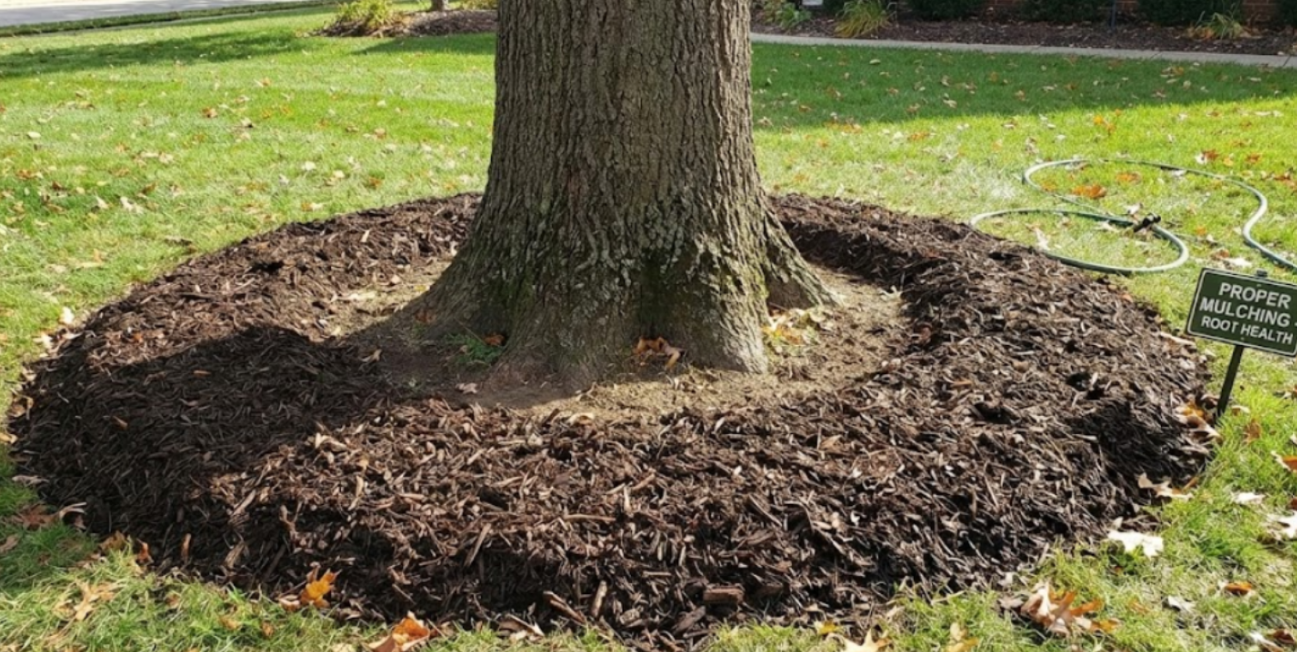
Spread the mulch in a wide ring extending from the trunk out to the tree’s drip line, which is the outer reach of the branches. This mulch layer acts as insulation. It moderates soil temperature swings and retains moisture during dry periods.
Critical Warning: Keep mulch pulled back at least 3 inches from the trunk itself. You should be able to see the “root flare,” which is where the trunk widens at the base. Mulch piled against bark creates constantly moist conditions that promote fungal diseases and attract boring insects. The infamous “mulch volcano,” where mulch is piled high around the trunk, kills more trees in New Orleans landscapes than almost any other maintenance mistake.
Essential Winter Irrigation
Watering is not just a summer chore. You must water deeply during warm and dry winter stretches.
- The Schedule: If daytime temperatures stay above 40°F for ten to fourteen days with no rain, add supplemental water.
- The Method: Use a soaker hose or drip line for several hours. You want the moisture to reach twelve inches deep. Light sprinkler bursts only wet the surface and encourage roots to grow shallow, where they are vulnerable to cold and heat.
- High-Priority Trees: Pay extra attention to young trees during their first three years. Also prioritize evergreens like live oaks, magnolias, hollies, and pines. They lose moisture year-round and rely on steady soil hydration.
Freeze Protection for Vulnerable Species
When forecasts predict temperatures below 32°F, you must take action to protect sensitive species.
Citrus and Tropical Fruit
Build temporary frames around trees and cover them with frost blankets or burlap. Ensure the covers extend all the way to the ground. This traps the heat radiating from the soil. If you wrap the blanket around the trunk but leave the bottom open, the heat escapes, and the tree freezes. Remove covers during the daytime to prevent overheating if the sun comes out. For potted citrus, move containers against south-facing walls or into unheated garages during extreme cold.
Young Trees and Thin Bark
Wrap the trunks of newly planted trees with tree wrap, commercial tree guards, or even corrugated cardboard secured with twine. This prevents sunscald and frost cracks. Remove these wraps by late March to prevent moisture buildup and fungal growth during the spring warmth.
Windbreaks
Cold wind dramatically increases freeze damage by pulling moisture from leaves and bark faster than the roots can replace it. Erect temporary burlap screens or position containers near buildings that block north winds.
Tool Hygiene and Maintenance
Winter is the perfect time to audit your tool shed. Using dull or dirty tools is a recipe for spreading disease.
- Sharpening: Dull blades crush plant tissue rather than cutting it cleanly. Crushed tissue does not heal well and invites rot. Sharpen your bypass pruners, loppers, and saws at the start of the season.
- Sanitization: This is the step most homeowners skip. Fungal spores can survive on metal blades. Between trees, wipe down your blades with a solution of 10% bleach and 90% water, or use simple rubbing alcohol. This prevents you from inadvertently carrying a disease from a sick tree to a healthy one.
- Rust Removal: Clean old tools with steel wool and oil the moving parts. Smooth action on your pruners reduces hand fatigue and ensures safer, more accurate cuts.
Hiring a Professional: A Vetting Checklist
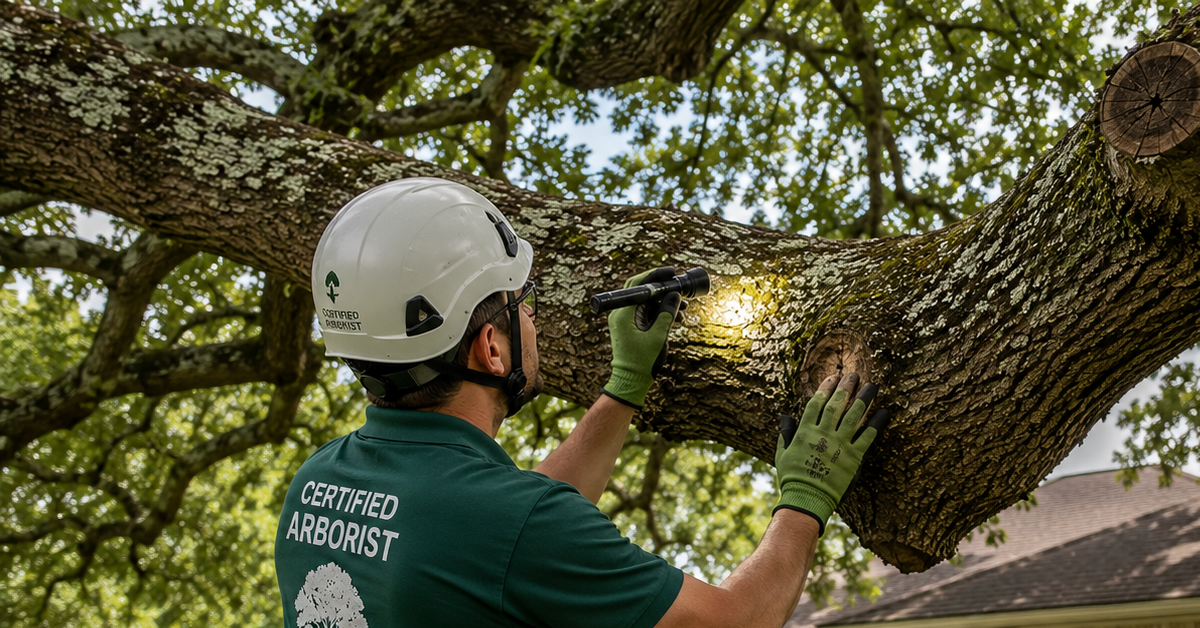
While homeowners can handle small pruning jobs, mature trees require professional care. Incorrect pruning can cause irreversible damage. When hiring a tree service in New Orleans, use this checklist to ensure you are getting a qualified professional.
- Certification: Always hire an ISA Certified Arborist for major structural work. In Louisiana, it is also a legal requirement for tree professionals to be licensed by the Louisiana Department of Agriculture and Forestry (LDAF) to protect homeowners from liability and substandard work.
- Insurance: profound liability and workers’ compensation insurance are non-negotiable. If an uninsured worker gets hurt on your property, you could be liable. Ask to see the certificate of insurance directly.
- References: Ask for local references, specifically for the type of work you are requesting. A company that is great at removing stumps may not be skilled at fine pruning a historic live oak.
- No Spikes: Ensure the arborist does not use climbing spikes (gaffs) when pruning living trees. Spikes cause open wounds that lead to infection. Spikes should only be used during tree removal.
Month-by-Month Winter Care Calendar
December
- Monitor Water: Check soil moisture weekly. Water if dry.
- Mulch: Apply fresh mulch to insulate roots before the deep cold sets in.
- Tool Prep: Clean, sharpen, and oil all pruning tools.
- Plan: Walk your property and identify which trees need structural pruning.
January
- Major Pruning: This is the prime window for pruning deciduous trees and hardy evergreens (oaks, elms, maples).
- Pest Check: Inspect for scale insects and mite eggs on bare branches. Treat with horticultural oil if found.
- Freeze Watch: Keep frost blankets handy. Watch the forecast closely for drops below freezing.
February
- Late Pruning: Finish all major structural pruning by mid-month.
- Citrus Prep: towards the end of the month, assess citrus trees for freeze damage, but do not prune yet.
- Planting: This is an excellent month to plant new trees. They will have a few months to establish roots before the summer heat.
Real-World Field Experience: The Value of Prevention
Winter tree care is preventive medicine. A small investment during dormancy can stop major failures later. Professional pruning in winter reduces weight, removes weak limbs, and strengthens the structure before wind and storms return. Spending a few hundred dollars now often prevents thousands in storm damage, removals, and repairs later.
In New Orleans, mature trees are assets that boost property value, protect homes with shade, and define historic neighborhoods. Keeping them healthy through winter care preserves both beauty and equity. A professional assessment and pruning this season sets your trees up to withstand the next storm and protects the property you have built around them.
Frequently Asked Questions
What is the absolute best time to prune trees in New Orleans?
Late December through February. Trees are fully dormant, disease pressure is low, and branch structure is easy to see. Cold-sensitive species like citrus should wait until after the last freeze risk in late February or early March.
How do I know if my tree needs winter watering?
Dig 4 to 6 inches into the soil. If it’s dry and crumbly, water deeply. If temperatures stay above 40°F with no significant rain for two weeks, it’s time to water. Newly planted trees and evergreens need the closest monitoring.
Can I prune trees myself, or should I hire a professional?
Small branches under 2 inches that you can reach from the ground are reasonable for homeowners. Anything involving ladders, large limbs, structural cuts, or power lines requires a professional. Bad cuts cause permanent damage and serious safety risks.
What mulch works best for New Orleans trees?
Organic mulch. Pine bark, hardwood chips, and pine straw are top choices. Skip dyed mulch, rubber mulch, and landscape fabric. They block soil biology and trap moisture.
Why does my live oak have dead branches inside the canopy?
Live oaks naturally shed shaded interior branches as they mature. It’s normal self-pruning. Widespread deadwood throughout the canopy signals stress and needs an arborist evaluation.
How can I tell if my tree is actually dormant?
Deciduous trees with no leaves and no swelling buds are dormant. In New Orleans, brief warm spells can interrupt dormancy, but they don’t change winter pruning timing. Avoid pruning during peak spring and summer growth.
Is moss bad for my trees?
Spanish moss and ball moss aren’t parasites and usually don’t harm the tree. If moss is so dense that you can’t see the foliage, it can block light or add weight to weak limbs. That’s the point of calling an arborist.
The Winter Care Investment
Winter tree care is not optional maintenance. It is essential protection for your landscape. The relatively small investment of time and resources during dormancy prevents exponentially larger problems during the growing season and storm season.
For New Orleans homeowners, trees represent significant financial assets that increase property values and provide energy-saving shade. Historic districts like the Garden District and Audubon Park derive much of their appeal from mature tree canopies that took decades to develop. Protecting these trees through proper winter care preserves both monetary and aesthetic value.
Beyond individual property concerns, the urban forest collectively benefits New Orleans through stormwater absorption, improved air quality, and reduced heat. Proper tree care maintains these ecosystem services that protect our entire community. This winter, commit to professional tree assessment and maintenance. Your trees and your property insurance agent will thank you when the next storm season arrives.