July 22, 2026
Key Takeaways
- Permanent Structural Damage: Topping removes the tree’s natural crown and forces weak, fast-growing regrowth that is poorly attached to the trunk.
- Accelerated Decay: Large, flat-topped cuts expose interior wood to rot, insects, and disease that a tree cannot properly seal over.
- Higher Long-Term Costs: Topped trees often need repeated maintenance, emergency removal, or complete replacement within a few years.
- Safer Alternatives Exist: Certified arborists can reduce a tree’s size and manage risk through proper crown reduction and selective pruning without topping.
Homeowners in Metairie and the Greater New Orleans area often call a tree service asking for a tree to be “topped” cut back hard to reduce its height, usually out of concern about storm damage, shade, or a tree that has simply grown larger than expected. It seems like a reasonable, low-cost solution. Unfortunately, tree topping is one of the most damaging things that can be done to a tree, and it frequently creates the very hazards homeowners were trying to avoid. This article explains what topping actually is, why it harms trees at a biological level, and what safer alternatives exist for homeowners who want to manage a tree’s size or reduce storm risk.
What Is Tree Topping?
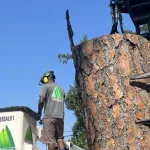
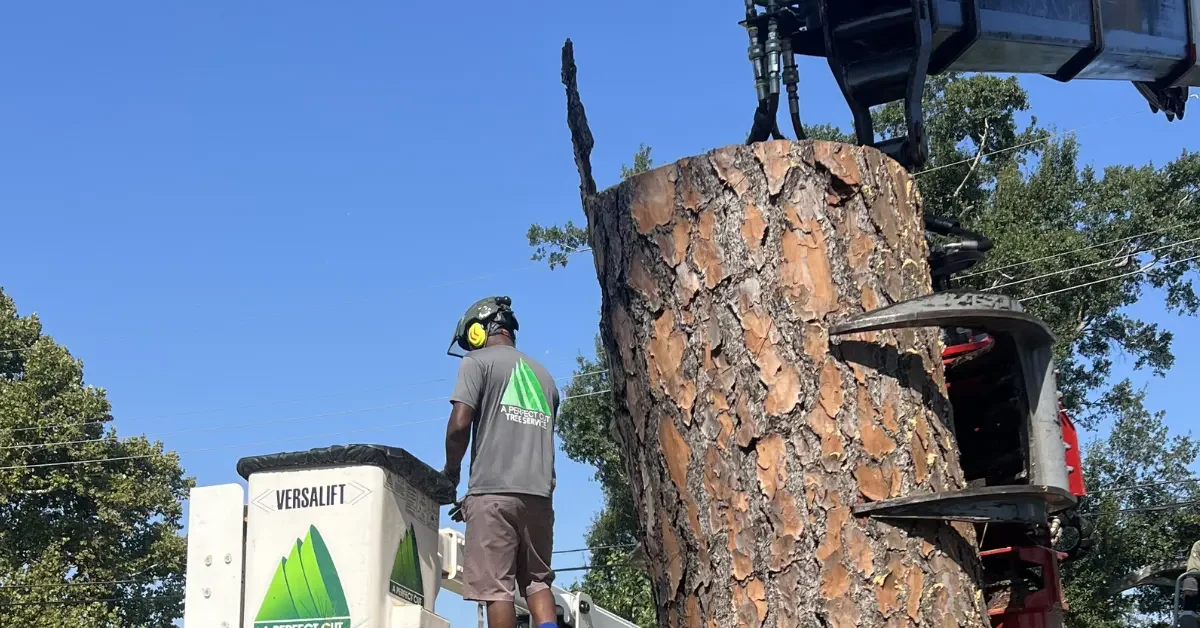
Topping is the practice of cutting large branches or the main trunk back to stubs, often at an arbitrary height, without regard to the tree’s natural growth structure. It is sometimes called “hat-racking,” “heading,” or “stubbing.” Unlike proper pruning, which removes branches at natural growth points, topping leaves behind blunt, exposed cuts in the middle of limbs and stems.
Topping is different from crown reduction; a technique certified arborists use to reduce a tree’s height or spread by cutting back to lateral branches large enough to assume the terminal role. Crown reduction follows natural branch structure; topping ignores it entirely.
Why Topping Seems Like a Good Idea
Homeowners often consider tree topping because they want to reduce a tree’s height quickly, keep branches away from power lines or the roofline, restore balance after storm damage, or reduce excessive shade and improve views. These are all valid concerns, but topping is rarely the appropriate solution. While it may seem like a quick fix, topping removes a significant portion of the tree’s canopy, weakens its natural structure, and often creates long-term health and safety issues that are far more costly than addressing the problem with proper pruning.
6 Real Damage Topping Causes to Trees
While topping may seem like a quick fix, it causes serious damage to the tree. They are as follows –
1. Weak, Fast-Growing Regrowth
When a tree loses a large portion of its canopy, it responds to the stress by producing a flush of rapid new growth called “water sprouts” near the cut sites. These sprouts grow quickly because the tree is trying to replace lost leaf surface as fast as possible, but they are only weakly attached to the outer layers of wood at the cut. Unlike normal branches that develop strong attachment points over years, water sprouts are structurally unsound from the start. As they mature and gain weight, they become far more likely to break away during wind events, ice, or even their own weight.
2. Large Wounds the Tree Cannot Properly Seal
Trees defend themselves from decay through a process called compartmentalization, where the tree seals off damaged tissue at natural branch collars. Topping cuts are made at random points along a limb or trunk, far from these natural collar points, leaving oversized wounds that the tree struggles to close. Exposed wood becomes an entry point for insects, fungi, and bacteria, allowing decay to move into the trunk over time.
3. Sunscald and Bark Damage
A full, healthy canopy shades the tree’s bark and interior branches. When topping strips away most of the canopy, previously shaded bark is suddenly exposed to direct sun. This can cause sunscald, killing bark tissue and creating additional entry points for pests and disease.
4. Starvation and Stress
Leaves are how a tree produces energy through photosynthesis. Removing most of the canopy at once removes most of the tree’s food-producing capacity. The tree is forced to draw on stored energy reserves to survive and regrow, leaving it weakened and more vulnerable to insects, drought, and disease for years afterward.
5. Increased Long-Term Hazard, Not Reduced Risk
This is the most important point for homeowners concerned about storm safety: topping does not make a tree safer. It replaces one risk (an overgrown canopy) with several new risks: decayed interior wood, weakly attached limbs, and unpredictable regrowth patterns. Many of the storm-damaged, limb-failure calls we respond to in Metairie involve trees that were topped years earlier.
6. Reduced Property Value and Tree Life Expectancy
A topped tree rarely recovers its natural form. Many topped trees decline steadily and require removal within 5 to 10 years, whereas a properly maintained tree of the same species can often live for decades longer. Topping can also reduce curb appeal and property value, since a disfigured, stub-branched tree is visibly different from a well-maintained canopy.
What’s the Right Solution?
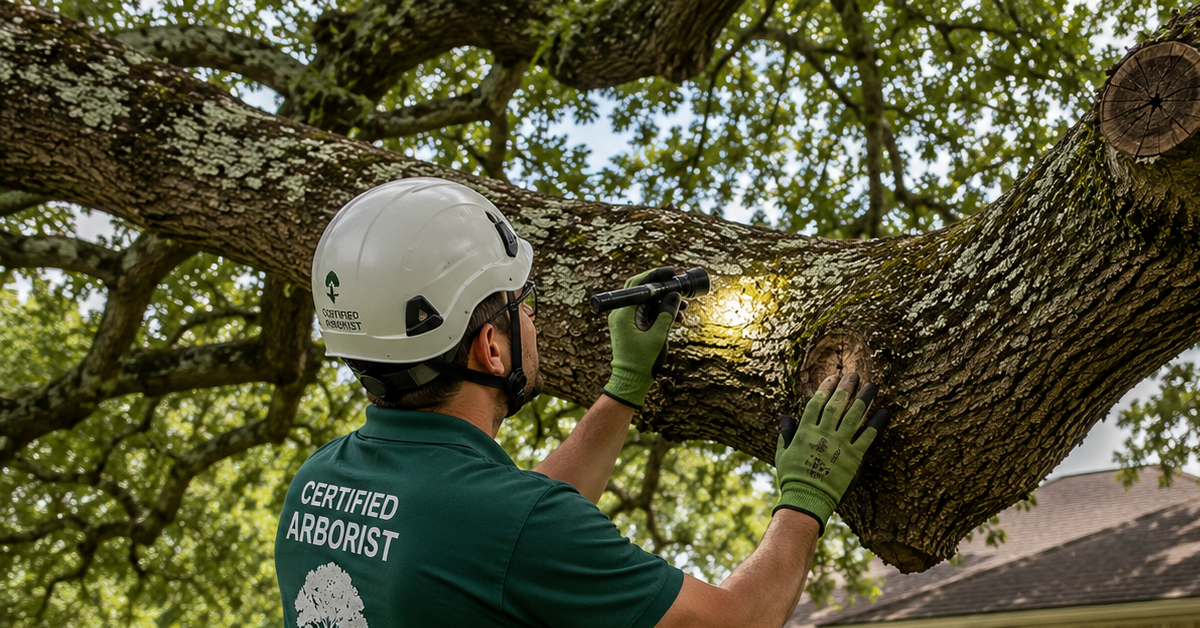
A professional arborist in Metairie LA like A Perfect Cut Tree Service focuses on tree preservation first, not just tree removal. For homeowners concerned about a tree’s size, proximity to structures, or storm risk, we offer safer, science-based alternatives such as –
- Crown Reduction: Selectively shortens branches back to strong lateral growth points, reducing overall size while preserving natural form and structural integrity.
- Crown Thinning: Removes select interior branches to reduce wind resistance and canopy weight without changing the tree’s silhouette.
- Structural Pruning: Identifies and corrects weak branch unions, co-dominant stems, and included bark before they become storm hazards.
- Hazardous Tree Assessment: A licensed arborist evaluates whether a tree is a genuine risk that requires more significant action, including removal, rather than assuming topping is the answer.
- Tree Fertilization and Preservation: Supports tree health after pruning to help wounds close and recovery happen faster.
A Perfect Cut Tree Service offers smart options to tree topping keeping tree’s safety and long-term tree health in mind. We offer reliable tree service across New Orleans, Metairie, Kenner and nearby and have a team of ISA Certified Arborists who possess vast local experience. For more information about how we can protect your trees, call our team at (504) 800-8266 to schedule a professional estimate today.
Frequently Asked Questions About Tree Topping by the Homeowners in Metairie, LA
Is topping ever acceptable?
Topping is not considered an acceptable arboricultural practice by industry standards, including those of the International Society of Arboriculture. There are very rare exceptions involving trees already scheduled for removal, but even then, safer methods are usually available.
Will a topped tree recover if I stop cutting it that way?
Some trees can be gradually restored through corrective pruning over several years, but many topped trees never fully regain a strong structure and remain at higher risk long-term.
How do I know if my tree needs topping or just pruning?
In almost every case, proper crown reduction or thinning by a certified arborist accomplishes the homeowner’s goal without the damage topping causes. A hazardous tree assessment can confirm the right approach for your specific tree.
Does topping save money?
Topping may cost less upfront, but it often leads to repeated pruning, storm damage cleanup, or premature removal making it more expensive over the tree’s remaining life.
Can topping kill a tree?
Yes. Severe topping can remove enough of a tree’s canopy and energy reserves that the tree declines and dies, particularly in already stressed or older trees.
Summary Checklist: Topping vs. Proper Pruning
| Situation | Topping Result | Better Approach |
|---|---|---|
| Tree too tall for comfort | Weak regrowth and increased decay risk | Crown reduction by a certified arborist |
| Concern about storm damage | Increases long-term structural hazards | Structural pruning and hazard assessment |
| Tree near power lines | Unsafe stub cuts and rapid regrowth into utility lines | Directional pruning by a trained tree care crew |
| Storm-damaged tree | Topping increases wound exposure and decay | Proper cleanup pruning at natural branch collars |
| Overgrown shade tree | Sunscald, bark damage, and weak branch growth | Crown thinning to improve light and reduce canopy density |
Final Advice
If a tree on your property has become too large, is growing close to your home, or raises concerns about storm damage, avoid choosing tree topping as a quick solution. Proper pruning performed by a qualified arborist is a safer and more effective way to manage tree size while preserving its health and structural integrity. Before any major work is undertaken, request a professional assessment to determine whether the tree truly poses a hazard and what treatment options are most appropriate. When selecting a tree care company, look beyond price and choose one that follows recognized arboricultural standards rather than outdated practices like topping. A well-maintained tree can continue to provide shade, beauty, and value for many years, while improper pruning often leads to unnecessary decline and future safety risks. To know more, call our team at (504) 800-8266 to schedule a professional estimate today.