May 14, 2026
Key Takeaways:
- New Orleans’ humid subtropical climate demands heat-tolerant, flood-tolerant, and wind-resistant plant choices.
- Native species such as Live Oak and Bald Cypress are naturally adapted to local soil and storm conditions.
- Certain fast-growing ornamentals may cause structural damage or fail during hurricanes.
- Proper placement, spacing, and seasonal timing are critical for long-term tree health.
Understanding the New Orleans Growing Environment
For homeowners across New Orleans, from Uptown to Lakeview, the canopy above your property is more than visual charm. It delivers essential shade during relentless summer heat, improves stormwater absorption, increases property value, and plays a critical role in hurricane resilience. However, in a city shaped by high humidity, heavy rainfall, and powerful Gulf storms, plant selection must go beyond aesthetics.
New Orleans sits within USDA Zones 9b–10a, meaning winters are mild and the growing season is long. The city’s high-water table, compacted urban soils, and frequent summer downpours create drainage challenges in many neighborhoods. In some areas, roots must tolerate temporary flooding; in others, they must adapt to dense, oxygen-poor soil. Add hurricane-force winds to the equation, and structural strength becomes just as important as beauty.
Selecting species that naturally thrive along the Gulf Coast significantly reduces long-term maintenance and storm damage risks.
What to Plant This Season
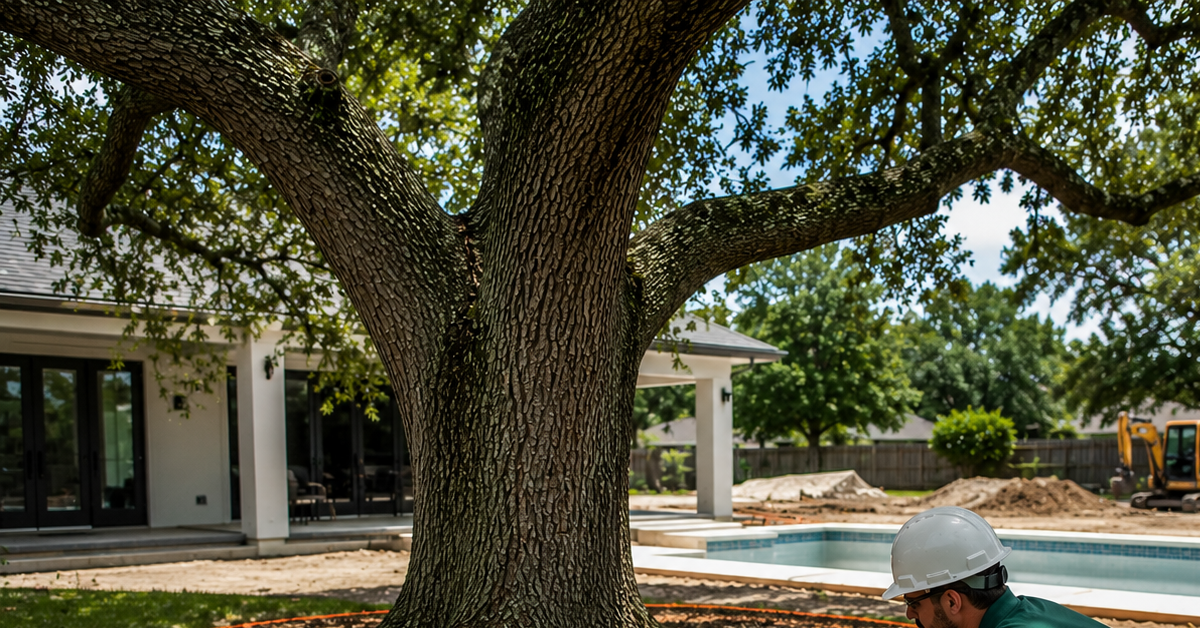
Few trees define the Crescent City like the Live Oak. With its wide-spreading canopy and strong, durable wood, the Live Oak is one of the most wind-resistant shade trees available once established. Its deep, expansive root system helps anchor it during hurricanes, while its dense foliage provides unmatched cooling shade. Because it can live for centuries and grow tremendously wide, careful placement away from foundations and sidewalks is essential. When given adequate space, it becomes a generational asset to any property.
Equally well-suited to Louisiana’s unique conditions is the Bald Cypress. As Louisiana’s state tree, Bald Cypress is naturally adapted to wet soils and even standing water. It thrives in low-lying yards where drainage may be inconsistent. Despite its association with swamps, it performs beautifully in residential landscapes and demonstrates impressive resilience during storms. Its soft, feathery foliage turns coppery in fall, offering seasonal interest before dropping.
For homeowners seeking evergreen structure and classic Southern appeal, the Southern Magnolia remains a timeless choice. Its glossy leaves and large white blossoms provide year-round beauty and fragrance. While not quite as storm-hardy as Live Oak, proper structural pruning can significantly improve wind resistance. Planted in a well-drained but moist location, Southern Magnolia makes an elegant focal point in medium-sized yards.
If vibrant summer color is the goal, the Crepe Myrtle performs exceptionally well in New Orleans heat. These flowering trees tolerate drought once established and bloom for extended periods during the hottest months. Their manageable size makes them ideal for smaller properties and street frontage plantings. Proper pruning, avoiding aggressive top pinching, ensures strong structure and healthier growth.
Another excellent native option is the Sweetbay Magnolia. Slightly more delicate in appearance than Southern Magnolia, Sweetbay tolerates wet soils and partial shade. Its adaptability to high water tables makes it particularly valuable in rain gardens or areas prone to pooling after storms.
What to Avoid Planting in New Orleans
While many ornamental trees may appear attractive at the nursery, not all are suited for the Crescent City’s climate. The Bradford Pear, once widely planted for its spring blooms, is structurally weak and prone to splitting under high winds. In hurricane-prone environments, this vulnerability often leads to significant storm damage and costly removal.
The Chinese Tallow presents another concern. Though visually appealing in the fall, it spreads aggressively and is considered invasive across Louisiana. It displaces native vegetation and proves difficult to control once established.
Fast-growing species such as the Silver Maple may promise quick shade, but they develop brittle wood and shallow roots. In compacted urban soils, these weaknesses increase the likelihood of limb failure and infrastructure damage over time.
Even the commonly seen Water Oak can be problematic. Although native, Water Oaks often have shorter lifespans and weaker branch structure compared to Live Oaks, making them less reliable for long-term planting goals.
Timing, Placement, and Storm Preparation
In New Orleans, late fall through early spring offers the best planting window. Cooler temperatures allow trees to establish roots before intense summer heat arrives. Planting during peak summer can increase stress and watering demands, reducing survival rates.
Tree spacing should always account for mature canopy size. Overcrowding restricts airflow and weakens structural development. Proper structural pruning during dormant months helps develop strong branch angles and reduces wind resistance. Assessing drainage before planting is equally critical. If water pools after heavy rain, prioritize flood-tolerant species rather than attempting to heavily modify the site.
Frequently Asked Questions
1. What types of trees grow best in New Orleans’ climate?
Trees that thrive in New Orleans are heat-tolerant, flood-tolerant, and wind-resistant. Native species such as Live Oak and Bald Cypress perform exceptionally well due to their adaptability to high humidity, wet soils, and hurricane-force winds. Other good options include Southern Magnolia, Sweetbay Magnolia, and Crepe Myrtle.
2. Are there trees I should avoid planting in New Orleans?
Yes. Avoid species that are structurally weak, invasive, or prone to storm damage. Examples include Bradford Pear, Chinese Tallow, Silver Maple, and Water Oak. These trees may cause property damage, require costly maintenance, or outcompete native vegetation.
3. When is the best time to plant trees in New Orleans?
The optimal planting window is late fall through early spring. Cooler temperatures allow roots to establish before the intense summer heat. Planting in summer can stress trees and increase the need for frequent watering.
4. How should I space and place trees for long-term health?
Proper spacing is critical to accommodate mature canopy size. Overcrowding restricts airflow, weakens branch structure, and increases storm vulnerability. Plant trees away from foundations, sidewalks, and underground utilities, and consider drainage patterns to select flood-tolerant species in wetter areas.
5. What makes Live Oak and Bald Cypress ideal for New Orleans landscapes?
Live Oak offers a broad, dense canopy and strong wood, providing shade and excellent wind resistance. Bald Cypress thrives in wet soils, tolerates temporary flooding, and adds seasonal beauty with its feathery foliage. Both species require careful placement but are long-term, resilient additions to any yard.
6. How can I improve a tree’s wind resistance and storm survival?
Structural pruning during dormant months helps develop strong branch angles, reducing the risk of limb failure. Planting storm-resilient species, maintaining proper spacing, and choosing the right site with adequate drainage all improve survival during hurricanes.
Conclusion
The Crescent City’s canopy is a defining feature of its neighborhoods, from historic oak-lined avenues to vibrant residential streets. Building and maintaining that canopy requires thoughtful planning, climate awareness, and careful species selection.
By planting resilient, Gulf Coast-adapted trees this season and avoiding species prone to storm failure or invasive spread, you can create a landscape that withstands heat, humidity, and hurricanes alike. With informed decisions and proper care, your New Orleans yard can contribute to a stronger, safer, and more enduring urban forest for generations to come.
Choosing the right tree is only the first step. Proper planting depth, root preparation, and early structural pruning determine whether a tree becomes an asset or a liability.
A Perfect Cut Tree Service provides reliable tree services across New Orleans and Metairie, backed by ISA Certified Arborists and years of local experience. We offer tree planting, trimming, structural pruning, safe tree removal, stump grinding, and emergency storm response, always with safety, hurricane resilience, and long-term tree health in mind. Whether you’re establishing a new canopy or maintaining a mature one, our team understands the unique challenges of South Louisiana landscapes.
Reviewed by a Certified Arborist
This safety analysis has been reviewed by an ISA Certified Arborist to ensure all information regarding soil mechanics and tree failure meets the standards of the International Society of Arboriculture.
Sources & Credible References:
- LSU AgCenter. Louisiana Lawns & Landscapes Publications. Guidance on tree selection, native species, drainage considerations, and urban planting recommendations for South Louisiana.
- Louisiana Department of Agriculture and Forestry. Urban & Community Forestry Resources. Information on recommended and invasive tree species in Louisiana.
- USDA Natural Resources Conservation Service. PLANTS Database. Species profiles for Live Oak, Bald Cypress, Southern Magnolia, and other referenced trees, including native ranges and soil tolerance.
- USDA Forest Service. Urban Forestry & Hurricane-Resistant Tree Species Reports. Research on wind resistance and structural characteristics of trees in storm-prone regions.
- University of Florida IFAS Extension. Wind and Trees: Lessons Learned from Hurricanes. Studies on storm performance of Southern tree species commonly grown along the Gulf Coast.
- Louisiana Native Plant Society. Native Plant Recommendations for Louisiana Landscapes. Guidance on ecological benefits and regional adaptability.
- City of New Orleans. Parkway & Street Tree Guidelines. Local standards for approved tree species and planting considerations.
- Texas A&M Forest Service. Urban Tree Selection & Storm Recovery Resources. Gulf South–relevant research on structural strength and tree risk management.
- Arbor Day Foundation. Tree Planting & Care Guides. General best practices for planting timing, spacing, and root establishment.
- National Oceanic and Atmospheric Administration. Climate Data for Southeast Louisiana. Information on regional climate patterns, rainfall averages, and hurricane frequency