April 12, 2026
Metairie’s lush landscape often hides a significant geological challenge: its soil. The heavy, poorly drained clay characteristic of the Mississippi River alluvial plain creates a difficult environment for many popular tree species. Understanding the relationship between local soil series and tree health is crucial for any homeowner seeking to maintain a safe and aesthetically pleasing property.
Key Takeaways
- Metairie’s dominant Sharkey and Schriever clay soils suffer from high water retention and low oxygen levels.
- Flowering Dogwoods, Silver Maples, and Pin Oaks are among the most vulnerable species in local conditions.
- Chronic soil saturation leads to root rot, nutrient lockout (iron chlorosis), and reduced structural stability.
- Jefferson Parish mandates strict permits for removing protected trees in districts like Old Metairie.
- Success requires selecting flood-tolerant species and implementing advanced planting techniques to manage drainage.
What Defines Metairie’s Challenging Soil?
Metairie sits on an alluvial plain defined by its geological history. The soil here is not a monolithic ‘dirt’ but a complex matrix of minerals and organic matter shaped by river deposits.
The Sharkey and Schriever Clay Factor
The geology beneath Metairie is dominated by the Sharkey and Schriever clay series. These soils contain between 60% and 90% clay particles, making them some of the most difficult for arboriculture.
According to the USDA NRCS Official Soil Series Descriptions, Sharkey soils are characterized as “very deep, poorly and very poorly drained, very slowly permeable soils” formed in clayey alluvium.
- Poor Drainage: Dense clay prevents water from moving vertically, often leaving surface water standing for over 24 hours.
- Expansive Nature: These soils swell when saturated and shrink significantly when dry, putting physical pressure on roots and foundations.
- Hypoxia: Saturated clay displaces oxygen, effectively ‘drowning’ the roots of species not adapted to wetlands.
How Wet Conditions Harm Tree Roots
Tree roots require oxygen for cellular respiration. In Metairie’s wet clay, the lack of air pores leads to systemic decline.
- Pathogen Growth: Fungi and bacteria that cause root rot thrive in anaerobic conditions.
- Nutrient Malabsorption: Damaged roots lose the ability to transport minerals, leading to stunted growth even in nutrient-rich soil.
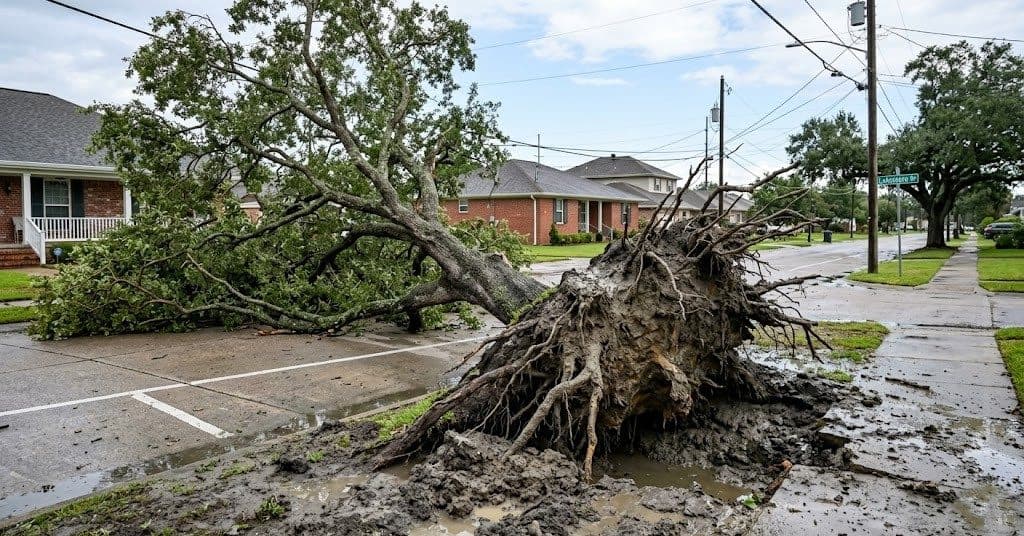
- Instability: In saturated clay, the ‘grip’ of the soil is weakened, increasing the risk of uprooting during storms.
Specific Trees That Fail in Metairie’s Wet Clay
Specific tree species are genetically predisposed to fail in heavy clay environments. Planting these in Metairie often leads to expensive removals within a decade.
Flowering Dogwoods: A Root Rot Risk
While popular for their spring blooms, Flowering Dogwoods require exceptional drainage. In Metairie’s clay, they are frequent victims of Phytophthora root rot.
Pine Species and Water Intolerance
Most pine species cannot tolerate ‘wet feet.’ While native Slash and Loblolly pines are more resilient, other varieties typically decline within 2 to 4 years of planting in low-lying clay.
Fruit Trees: Oxygen Starvation
Fruit trees like peaches and cherries are highly sensitive to oxygen deprivation. Stagnant water in the root zone leads to immediate stress and increased vulnerability to fungal cankers.
Silver Maple & Siberian Elm: Structural Weaknesses
These fast-growing trees are ill-suited for the area. Their shallow roots ‘heave’ in expansive clay, damaging infrastructure, and their brittle wood is a liability during hurricane season.
Pin Oaks: The Iron Chlorosis Battle
The alkaline pH of Metairie’s clay locks up iron. Pin Oaks are unable to absorb this essential nutrient, resulting in iron chlorosis, characterized by yellow leaves with green veins.
The Hidden Costs of Planting the Wrong Tree
Planting the wrong species in the wrong soil has ripple effects that extend beyond the tree itself, impacting finances and property safety.
Financial Drain: Removal and Replacement
Removal of a medium-sized tree in Metairie typically ranges from $500 to over $1,000, while large specimens or those near power lines can cost significantly more.
Regulatory Penalties: Jefferson Parish Ordinances
Jefferson Parish Ordinance No. 26480 protects the urban canopy. Detailed regulations regarding tree removal and preservation can be found in the Jefferson Parish Code of Ordinances – Tree Preservation Districts. Removing protected species without a permit can result in fines of $500 per day per tree.
Strategies for Tree Success in Metairie’s Soil
A healthy landscape in Metairie is possible with a science-based approach to species selection and soil management.
Choosing the Right Species
Select species naturally adapted to river deltas and floodplains. The LSU AgCenter Native Tree Growing Guide for Louisiana provides a comprehensive list of species suited for heavy clay and wet conditions.
- Bald Cypress: Highly flood-tolerant and native.
- Live Oak: Extremely resilient once established.
- Green Ash: Tolerates high moisture levels.
- Sweetgum: Adaptable to poorly drained areas.
Improving Soil Drainage
Instead of traditional planting, use methods that promote aeration.
- Raised Mounds: Elevating the root ball 6-12 inches above grade prevents drowning.
- Organic Amendments: Integrating compost into a wide area improves soil structure and drainage over time.
- Subsurface Drainage: Installing French drains can help redirect water from low spots.
Tree Performance in Metairie Clay
| Tree Category | Struggles (Why) | Thrives (Why) |
| Ornamentals | Dogwood (Prone to root rot in wet soil) | Japanese Magnolia (More tolerant to moisture) |
| Evergreens | Spruce Pine (Roots struggle with oxygen loss) | Slash Pine (Highly adaptable to wet conditions) |
| Shade Trees | Pin Oak (Develops chlorosis in poor drainage) | Bald Cypress (Naturally flood-resistant) |
| Fast Growers | Silver Maple (Weak, brittle wood in saturated soil) | River Birch (Thrives in consistently wet soil) |
Ensuring Long-Term Landscape Health in Metairie
Effective arboriculture in Jefferson Parish requires a deep understanding of local soil science and municipal regulations. By prioritizing professional assessments and evidence-based planting strategies, homeowners can maintain a resilient and vibrant canopy that withstands the unique environmental pressures of the area. Expert oversight ensures that species are matched to their micro-climate, protecting both property value and the regional ecosystem.
Frequently Asked Questions
What makes Metairie’s soil challenging for trees?
Metairie’s soil is predominantly Sharkey and Schriever clay. These soils are heavy, poorly drained, and expansive. They retain excessive moisture, leading to low oxygen levels (hypoxia) that stress or suffocate the root systems of many common tree species.
Which specific tree species should I avoid planting in Metairie’s wet clay?
Species such as Flowering Dogwoods, many Pines (except Loblolly and Slash), Silver Maples, and Pin Oaks often struggle. These trees are highly susceptible to root rot, nutrient deficiencies, or structural failure in heavy, wet clay.
How do wet soil conditions affect tree health?
Poor drainage creates ‘wet feet’ conditions, depriving roots of oxygen. This leads to anaerobic root rot, stunted growth, and a weakened root structure that makes trees more likely to fall during high-wind events like hurricanes.
Are there special permits needed to remove trees in Metairie?
Yes, Metairie Ridge and Old Metairie are designated Tree Preservation Districts. Removing protected trees like Live Oaks or Bald Cypress requires a permit from Jefferson Parish. Fines for unauthorized removal can reach $500 per day per tree.
What can I do to help trees thrive in Metairie’s challenging soil?
Prioritize species like Bald Cypress, Live Oak, or Green Ash. Additionally, improving soil aeration with organic matter, planting in slightly raised mounds, and ensuring the root flare is exposed can significantly increase survival rates.
When should I call a professional tree service in Metairie?
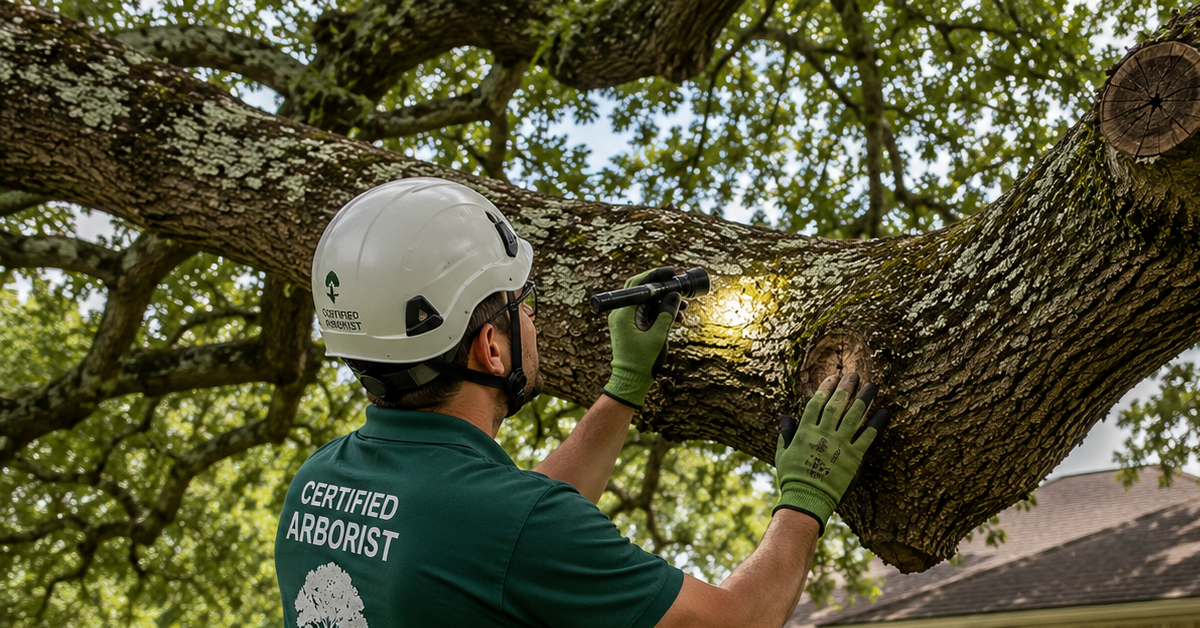
You should consult an arborist if you notice yellowing leaves, premature leaf drop, or signs of instability. Professional assessments help identify soil-borne diseases early and ensure all tree work complies with local Jefferson Parish ordinances.
Building a Healthy Landscape in Metairie’s Clay Soil
Successfully navigating Metairie’s unique soil challenges is the foundation of a thriving landscape. By selecting resilient species and utilizing proper drainage techniques, you can avoid the common pitfalls of planting in heavy clay. For expert guidance on soil assessment, professional planting, or the management of struggling trees in Jefferson Parish, the experienced team at A Perfect Cut provides the local expertise needed to help your landscape flourish in any condition.