March 3, 2026
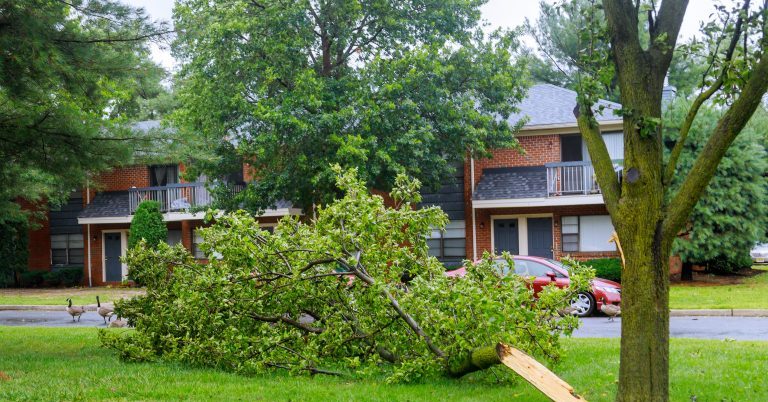
Storms and heavy clay soil damage trees in Metairie by weakening root systems, reducing soil stability, and increasing wind pressure during hurricanes and heavy rain. When clay soil becomes saturated, roots cannot anchor deeply, increasing the risk of leaning, uprooting, and sudden tree failure near homes, streets, and utilities.
Key Takeaways
- Metairie’s heavy clay soil loses stability when saturated, weakening root anchorage and increasing the risk of windthrow during storms.
- Hurricanes cause immediate damage such as broken limbs and uprooting, along with long-term stress that makes trees more vulnerable to pests and disease.
- Jefferson Parish requires permits for removing many tree species, with stricter rules and penalties for protected trees.
- Planting storm-resilient species like Southern Live Oaks and Bald Cypress helps reduce long-term storm and soil-related risks.
- Proactive tree care, including structural pruning and soil management, significantly reduces storm damage and improves tree stability.
- Professional tree services are critical for post-storm safety, hazardous tree removal, and navigating local permit requirements.
What is Metairie’s Unique Tree Challenge?
Metairie’s unique combination of frequent severe weather and dense, heavy soil creates a distinct set of challenges for local trees. These environmental factors don’t just cause immediate damage; they impact long-term tree health and stability.
The Double Threat: Hurricanes and Saturated Clay Soil
The Gulf Coast location means Metairie is highly susceptible to tropical storms and hurricanes, which bring intense winds and heavy rainfall. This climate factor combines dangerously with the local soil conditions.
- Frequent Storms: Metairie experiences regular threats from hurricanes, leading to high winds, storm surges, and excessive rain.
- Heavy Clay Soil: Large areas of Louisiana feature dense clay soils, which are nutrient-rich but notoriously poor at draining water.
- Compounded Risk: Saturated clay soil loses its structural integrity, reducing the ground’s ability to anchor tree roots against strong winds.
Metairie’s Climate: The Impact of Tropical Storms and Hurricanes on Trees
Metairie’s climate, dominated by its proximity to the Gulf of Mexico, regularly exposes trees to conditions that can compromise their health and structural integrity.
Wind Damage: Beyond Broken Branches
Hurricane-force winds, reaching speeds over 73 mph, can cause widespread tree failure, even in healthy specimens.
- Uprooting: Shallowly rooted trees, common in heavy soil, are easily toppled by strong gusts.
- Snapping: Trunks can snap, especially in species with weaker wood or pre-existing decay.
- Limb Failure: Large branches, particularly those with included bark or poor attachment, can break off, posing significant hazards.
- Twisting and Shearing: The force of wind can twist and shear tree crowns, causing irreparable damage to the tree’s overall structure.
Heavy Rainfall: Soil Saturation and Root Stability
Heavy rainfall, a hallmark of tropical storms, saturates the ground, turning stable soil into a muddy, unstable medium.
- Reduced Anchorage: Waterlogged soil has less friction and cohesion, making it easier for winds to pull roots free.
- Root Suffocation: Prolonged saturation can deprive roots of oxygen, leading to stress and root rot.
- Increased Weight: Saturated soil adds significant weight to the root ball, increasing the leverage winds have against the tree.
Long-Term Effects of Storm Stress
The stress from storms isn’t always immediately visible; it can weaken trees over time, making them susceptible to other issues.
- Disease Susceptibility: Wounds from broken branches create entry points for pathogens and fungi.
- Pest Infestations: Stressed trees release chemical signals that attract destructive insects.
- Delayed Failure: A tree might survive a storm but slowly decline over months or years, eventually failing unexpectedly.
- Growth Stunting: Energy spent on recovery diverts resources from healthy growth, impacting the tree’s vigor.
Metairie’s Heavy Soil: How Clay Affects Tree Health and Stability
Beyond the immediate impact of storms, the very ground beneath Metairie’s trees presents ongoing challenges for their health and stability.
Understanding Metairie’s Clay Soil Composition
Metairie, like much of southeast Louisiana, often features heavy clay soils. These soils are characterized by their small particle size and dense structure.
- High Density: Clay particles pack tightly, leaving little pore space for air and water.
- Poor Drainage: Water percolates slowly through clay, leading to prolonged saturation after rain.
- Compaction: Heavy equipment or foot traffic easily compacts clay, further reducing aeration and drainage.
- Nutrient Retention: While clay holds nutrients well, its density can make them less available to roots.
Shallow Root Systems: A Consequence of Heavy Soil
One of the most significant consequences of heavy clay soil is its effect on a tree’s root architecture.
- Restricted Penetration: Dense clay makes it difficult for roots to grow deep, forcing them to spread horizontally near the surface.
- Reduced Stability: Shallow roots provide poor anchorage, especially when the topsoil is saturated.
- Surface Rooting: Trees may develop extensive surface roots, which can damage foundations, sidewalks, and lawns.
- Oxygen Deprivation: Roots need oxygen; dense, waterlogged clay suffocates deeper roots, encouraging shallow growth.
Nutrient Absorption and Aeration Challenges
The physical properties of heavy clay soil can also hinder a tree’s ability to thrive by affecting its biological processes.
- Limited Oxygen: Poor aeration impacts root respiration, a vital process for nutrient and water uptake.
- Nutrient Lock-up: While clay is nutrient-rich, the anaerobic conditions can alter nutrient forms, making them unavailable.
- Waterlogging Stress: Chronic waterlogging stresses trees, leading to weaker growth and increased vulnerability to disease.
- Microbial Imbalance: Poorly aerated soil can favor anaerobic microbes, which may be detrimental to tree health.
Common Tree Species in Metairie: Resilience vs. Vulnerability
Selecting the right trees for Metairie’s challenging conditions can significantly reduce future problems. Some species are naturally better equipped to handle heavy soil and hurricane-force winds.
Storm-Resilient Trees for Metairie
Certain trees have evolved characteristics that make them exceptionally well-suited to the Metairie environment.
- Southern Live Oak (Quercus virginiana): Known for their strong, wide-spreading root systems and sturdy, flexible branches, Live Oaks are highly resistant to hurricane winds. Their longevity makes them a prized landscape feature.
- Bald Cypress (Taxodium distichum): These native trees tolerate soggy, heavy soil and are remarkably resistant to hurricane winds. They also play a role in flood resistance by absorbing excess water.
- Magnolia (Magnolia grandiflora): While large, their robust structure can withstand significant wind, though some limb breakage might occur.
Vulnerable Species and Why
Conversely, some popular species simply aren’t built to endure Metairie’s specific environmental stressors.
- Pecan (Carya illinoinensis): Often suffers significant damage due to brittle wood and susceptibility to wind-induced breakage.
- Water Oak (Quercus nigra): Rapid growth often leads to weak wood and poor branching structures, making them prone to limb failure.
- Bradford Pear (Pyrus calleryana ‘Bradford’): Known for weak branch attachments, these trees frequently split apart in high winds.
- Sycamore (Platanus occidentalis): While large, its fast growth can result in weak wood and susceptibility to wind damage.
Strengths, Risks, and Soil Tolerance
Understanding the inherent strengths and weaknesses of common Metairie trees helps in making informed planting and care decisions.
| Tree Species | Wind Resilience | Heavy Soil Tolerance | Common Issues in Metairie |
| Southern Live Oak | High | Good | Requires a large growing space. Rare susceptibility to oak wilt. |
| Bald Cypress | High | Excellent. Prefers wet soil conditions. | Deciduous. Sheds needles in winter. |
| Magnolia | Moderate to High | Good | Large leaves create debris. Some limb breakage is possible in severe storms. |
| Pecan | Low to Moderate | Moderate | Brittle wood. Prone to limb breakage and pest pressure. |
| Water Oak | Low | Moderate | Weak wood structure. Short lifespan. Prone to splitting. |
| Bradford Pear | Very Low | Good | Extremely weak branch unions. Frequently splits during storms. |
Preventative Measures for Metairie Homeowners
Homeowners can take significant steps to protect their trees and property, minimizing the impact of Metairie’s challenging environment.
Proactive Tree Care Strategies
Proactive tree care is the most effective defense against storm damage and long-term health decline.
- Regular Pruning: Professional pruning removes dead, diseased, or weak branches, reducing potential hazards during storms. It also improves airflow and structural integrity.
- Structural Pruning: For younger trees, this guides growth to develop a strong central leader and well-spaced, sturdy branches.
- Cabling and Bracing: For mature trees with weak unions or multiple leaders, support systems can reduce the risk of splitting.
- Soil Amendments: Improving drainage in heavy clay soil through organic matter addition or professional aeration can encourage deeper root growth and better health.
- Mulching: A layer of organic mulch helps regulate soil moisture and temperature, reducing compaction and improving overall soil health.
Strategic Tree Planting for Future Resilience
When planting new trees, consider their resilience to local conditions to ensure they thrive for decades.
- Species Selection: Choose trees known for their storm resistance and tolerance to heavy, potentially saturated soils, like Southern Live Oaks or Bald Cypress.
- Proper Placement: Plant trees away from structures, power lines, and septic systems to prevent future conflicts and damage.
- Root Flare Exposure: Ensure the root flare is at or slightly above ground level to prevent girdling roots and promote healthy growth.
- Initial Care: Provide adequate water and nutrients during establishment to encourage a strong, deep root system.
The Importance of Professional Assessment
Attempting to handle large, storm-damaged trees yourself is extremely dangerous and rarely recommended.
- Safety First: Professional arborists have the training, equipment, and experience to safely remove hazardous trees and limbs.
- Expert Diagnosis: They can accurately assess the extent of damage, determine if a tree is salvageable, or recommend safe removal.
- Property Protection: Professionals use techniques to minimize further damage to your home, landscape, or surrounding structures during removal.
- Permit Assistance: A reputable service like A Perfect Cut can guide you through the Jefferson Parish permit process, ensuring compliance.
- Proper Equipment: Specialized tools like cranes, chippers, and safety gear are essential for efficient and safe storm cleanup.
Emergency Tree Services and Swift Response
Following a major storm, the demand for tree services skyrockets. Having a reliable, local expert you can trust is a huge advantage.
- 24/7 Availability: Reputable services often offer emergency response for urgent situations like fallen trees in Metairie, blocking driveways or threatening structures.
- Timely Action: Swift removal of hazardous trees prevents further damage and restores safety to your property.
- Debris Cleanup: Beyond removal, professionals handle the complete cleanup and disposal of tree debris, saving you significant effort.
- Local Knowledge: A local company understands the specific challenges of Metairie’s environment and can provide tailored solutions.
- Insurance Claims: They can often provide documentation and estimates that assist with insurance claims for storm damage.
Frequently Asked Questions
How does heavy soil in Metairie make trees more vulnerable to storms?
Metairie’s heavy clay soils can hinder deep root development, making trees less stable. When heavy rains saturate this dense soil, it loses its ability to anchor roots effectively, significantly increasing the risk of trees toppling during high winds.
Do I need a permit to remove a tree in Metairie (Jefferson Parish)?
Yes, permits are required in Jefferson Parish for removing certain trees, especially ‘protected trees’ like Oaks, Elms, and Magnolias. Emergency removals need a permit application within 30 days. Failing to get one can lead to fines and replanting requirements.
Which tree species are best suited for Metairie’s storm and soil conditions?
Southern Live Oaks and Bald Cypress are excellent choices for Metairie. Live Oaks have strong, deep root systems and flexible branches that resist wind. Bald Cypress tolerates waterlogged soil and is highly wind-resistant, also aiding in flood control.
What are the first steps to take if my tree is damaged by a storm?
Immediately after a storm, check for leaning trees, split trunks, broken large branches, or exposed roots. These are signs of significant damage that could lead to further failure. Always avoid approaching downed power lines.
What preventative measures can I take to protect my trees from storm damage?
Proactive measures include regular professional pruning to maintain structural integrity, cabling or bracing for weak limbs, and improving soil drainage around tree bases. Choosing storm-resilient species for new plantings is also key.
Why should I hire a professional for storm-damaged tree removal?
Hiring a professional ensures safe and efficient removal, especially for large or hazardous trees. Experts like A Perfect Cut have the equipment and knowledge to assess damage, remove trees without further property damage, and handle debris responsibly, often assisting with permit needs.
Protecting Metairie Trees Starts With Smart, Local Action
Understanding the unique challenges Metairie’s trees face from heavy soil and frequent storms is the first step toward proactive protection. From selecting resilient species to implementing proper care and knowing local regulations, homeowners have options. When storm damage hits or preventative measures feel overwhelming, professional expertise makes all the difference. For reliable tree assessment, trimming, and removal services tailored to Metairie’s environment, don’t hesitate to Contact Us. A Perfect Cut is ready to help safeguard your property and enhance your landscape’s health.